

Pollinators are vital to our backyard ecosystems. The vast majority of plants here on earth need help reproducing. This includes the fruits, vegetables and flowers we grow in our yards. So let's chat about how to attract pollinators to your garden to improve your harvest!
This post is sponsored by Digz Gardening but all ideas and opinions are 100% my own.
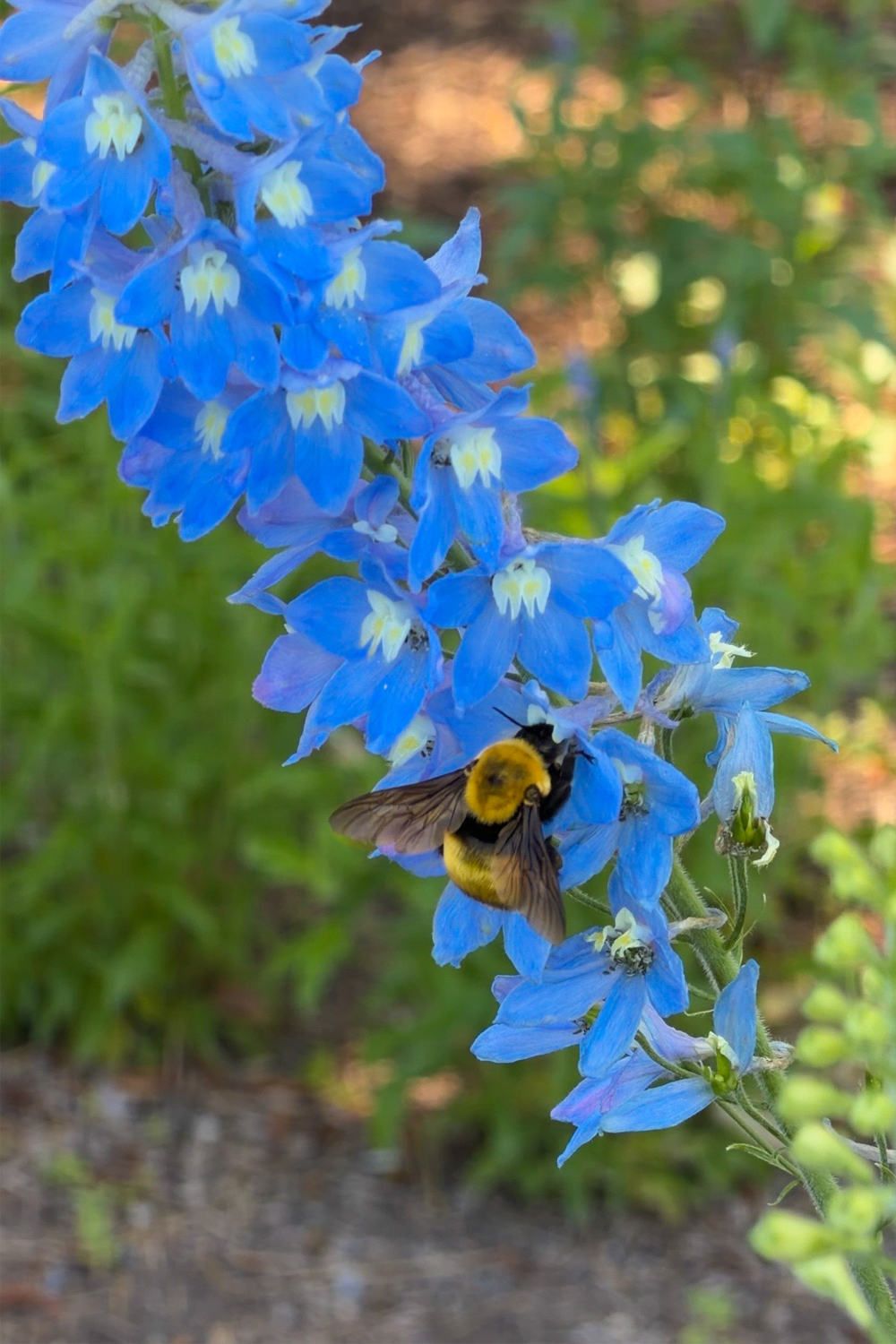
Pollinators
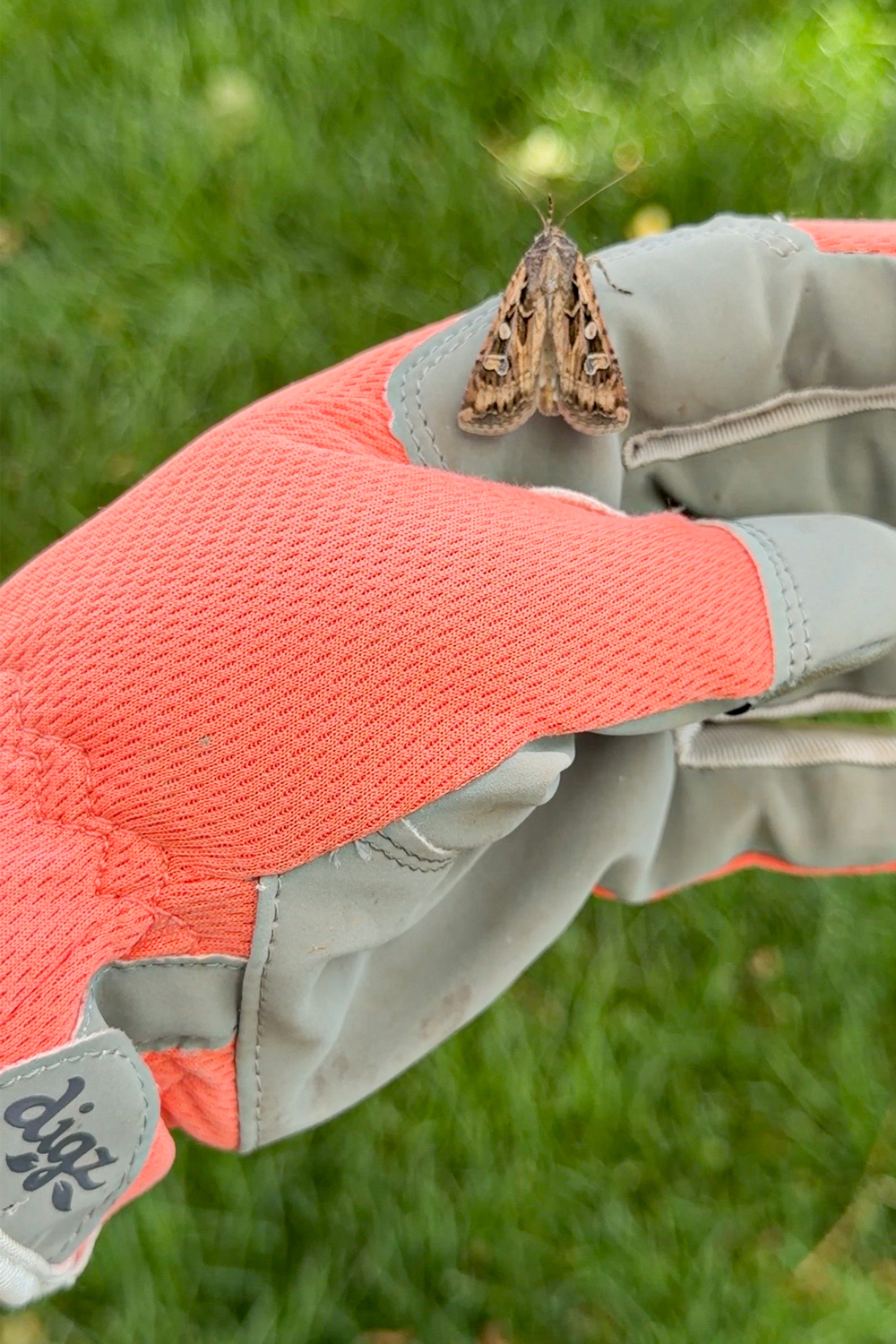
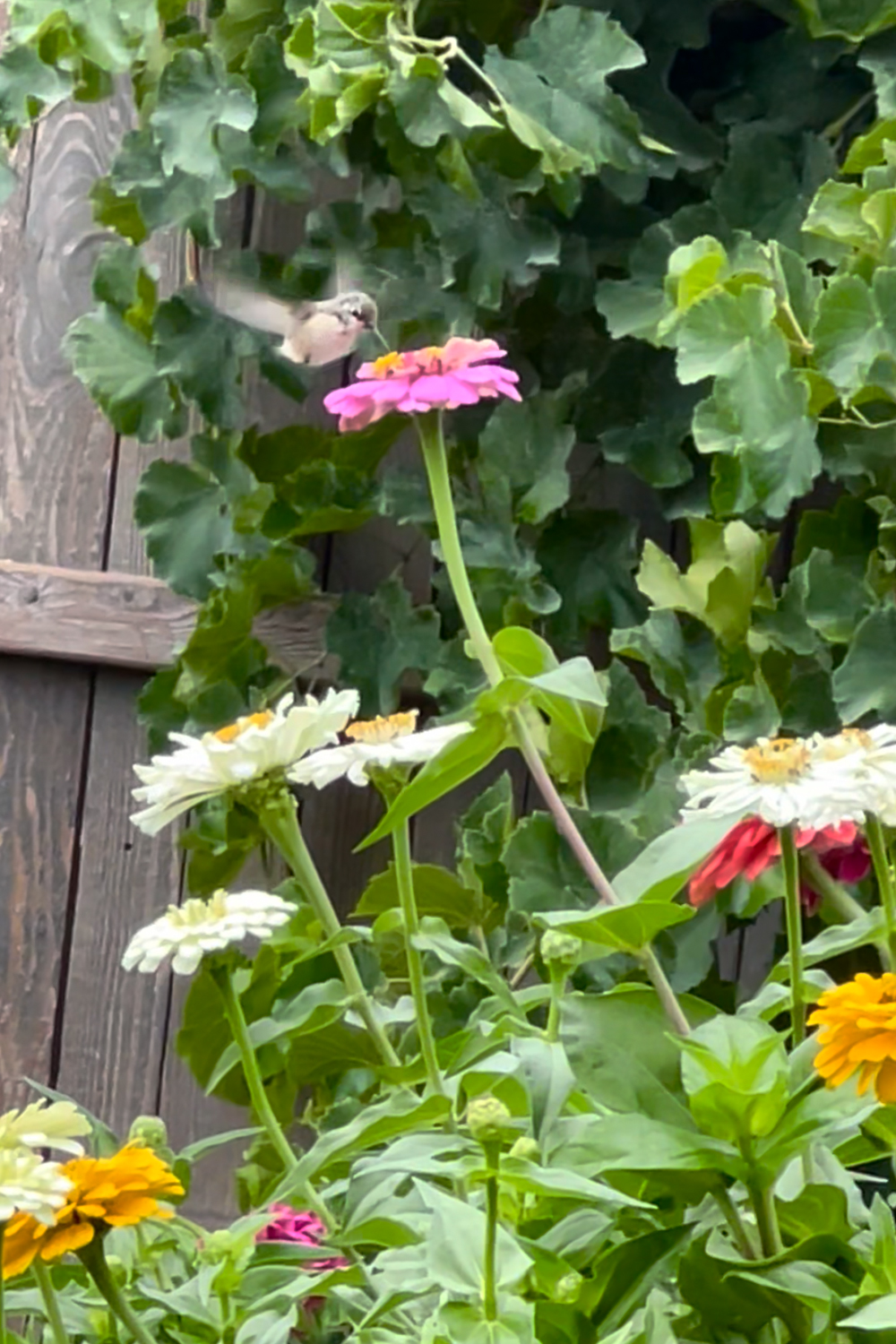
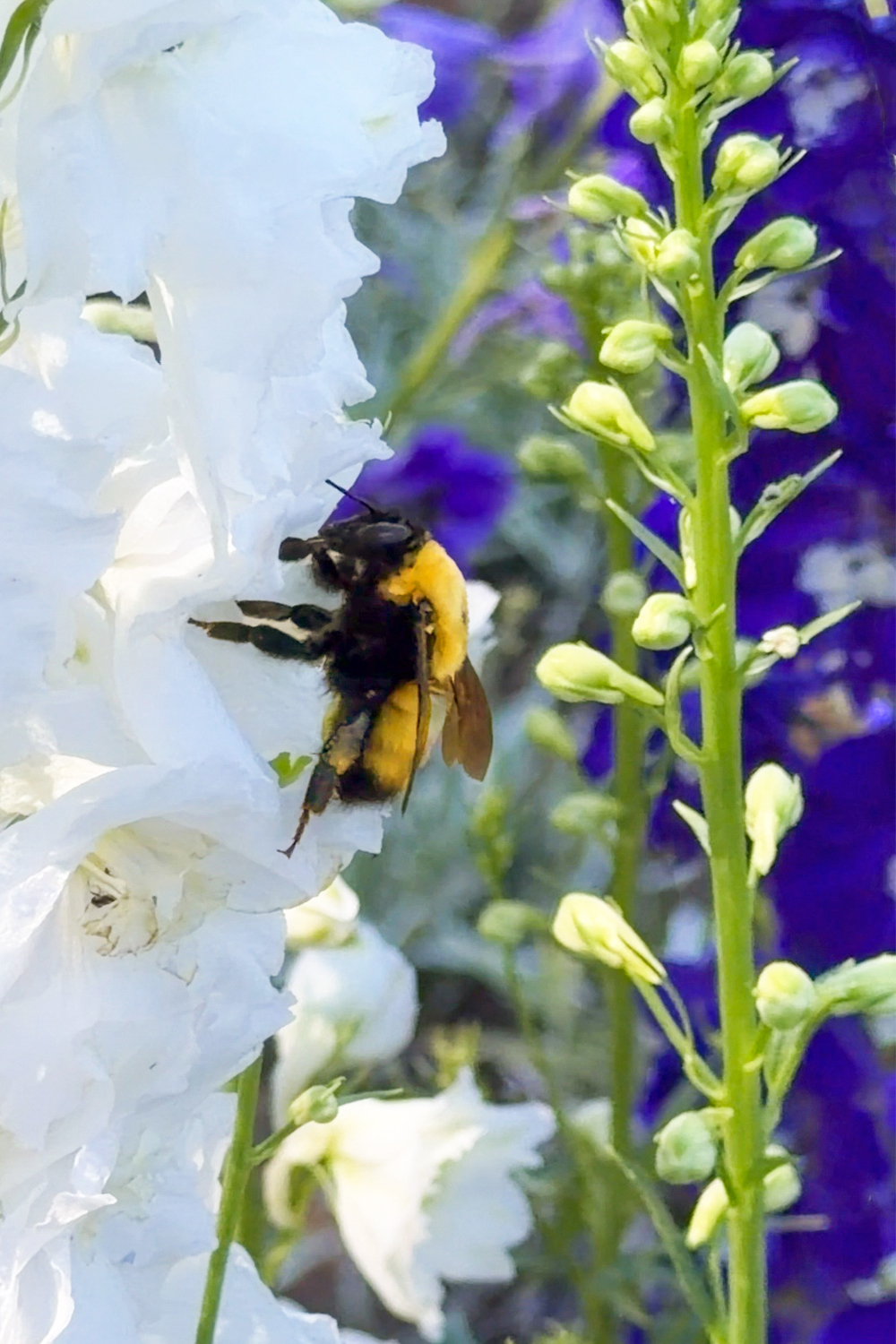
Insects and small animals like bees, butterflies, moths, wasps, beetles, bats, and birds move pollen from flower to flower which fertilizes the plants so they can produce fruit and seeds.
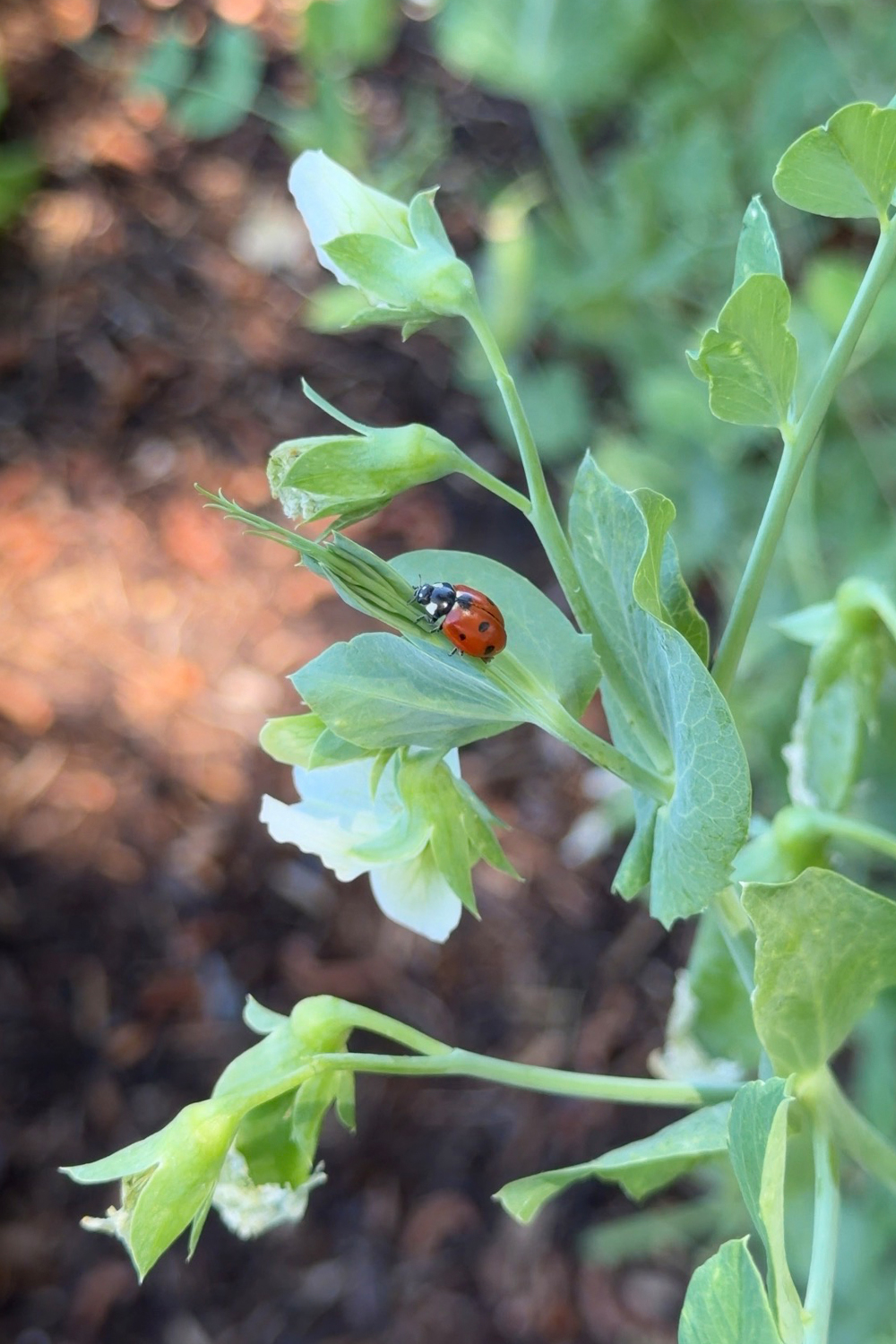
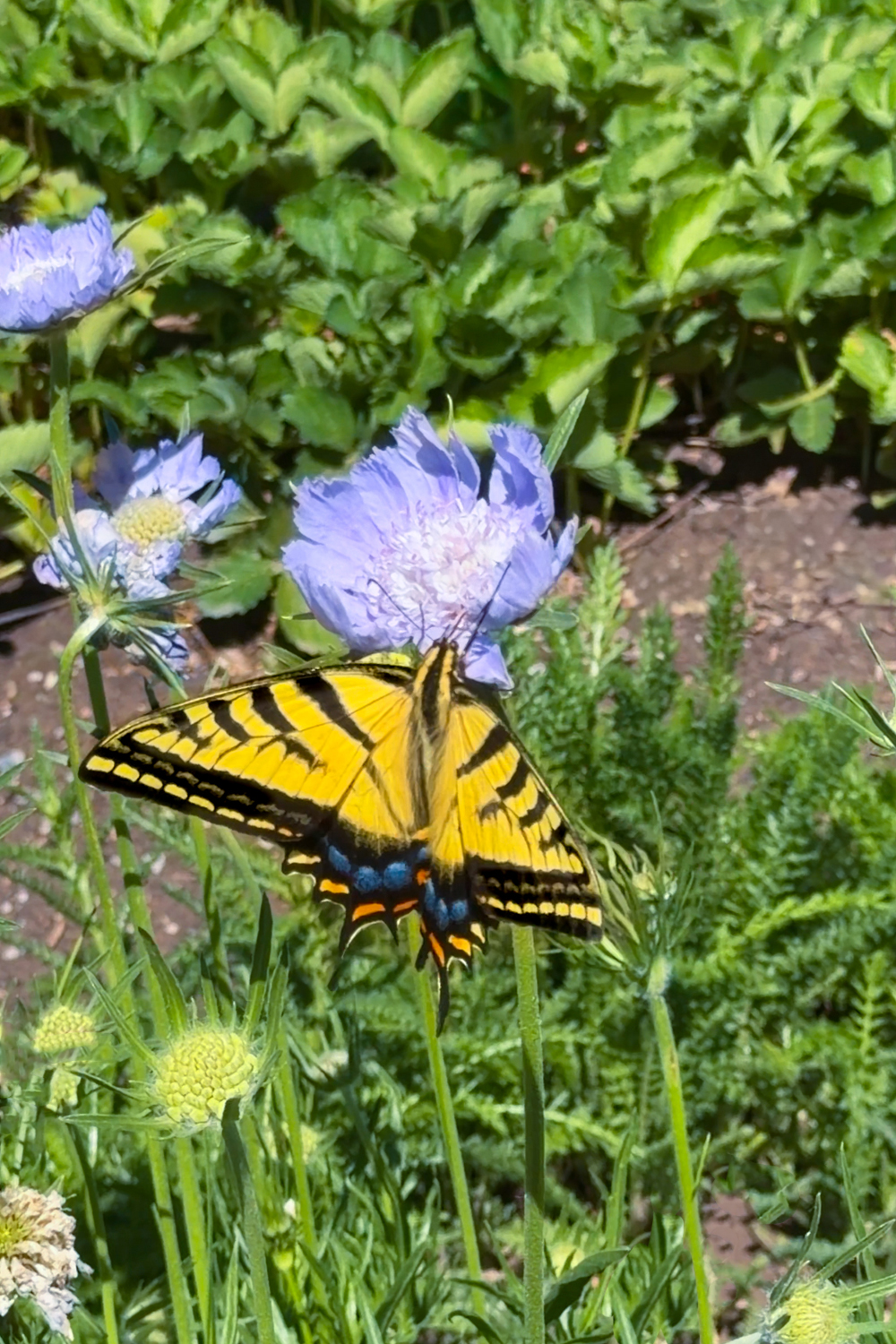
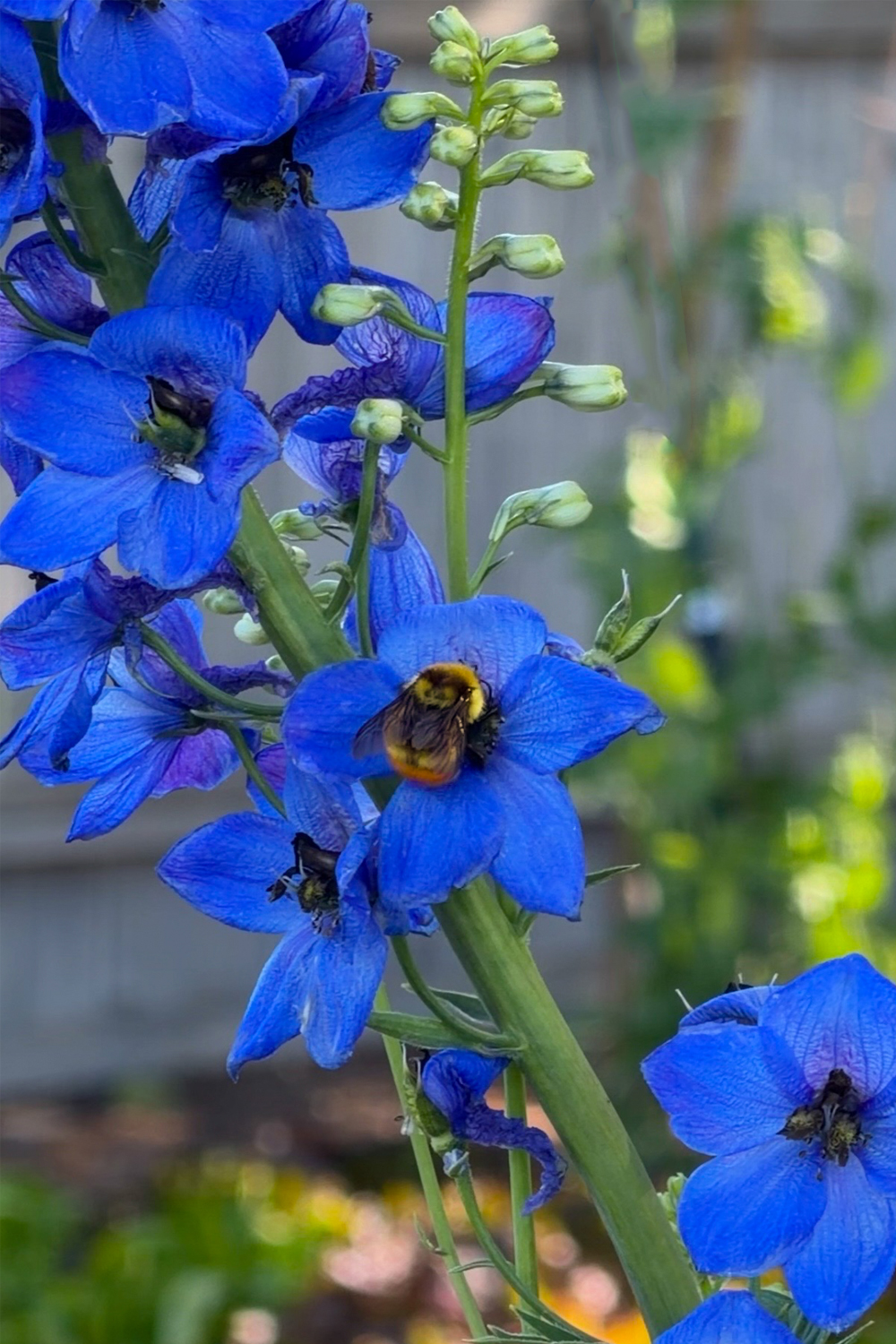
Add Native Plants
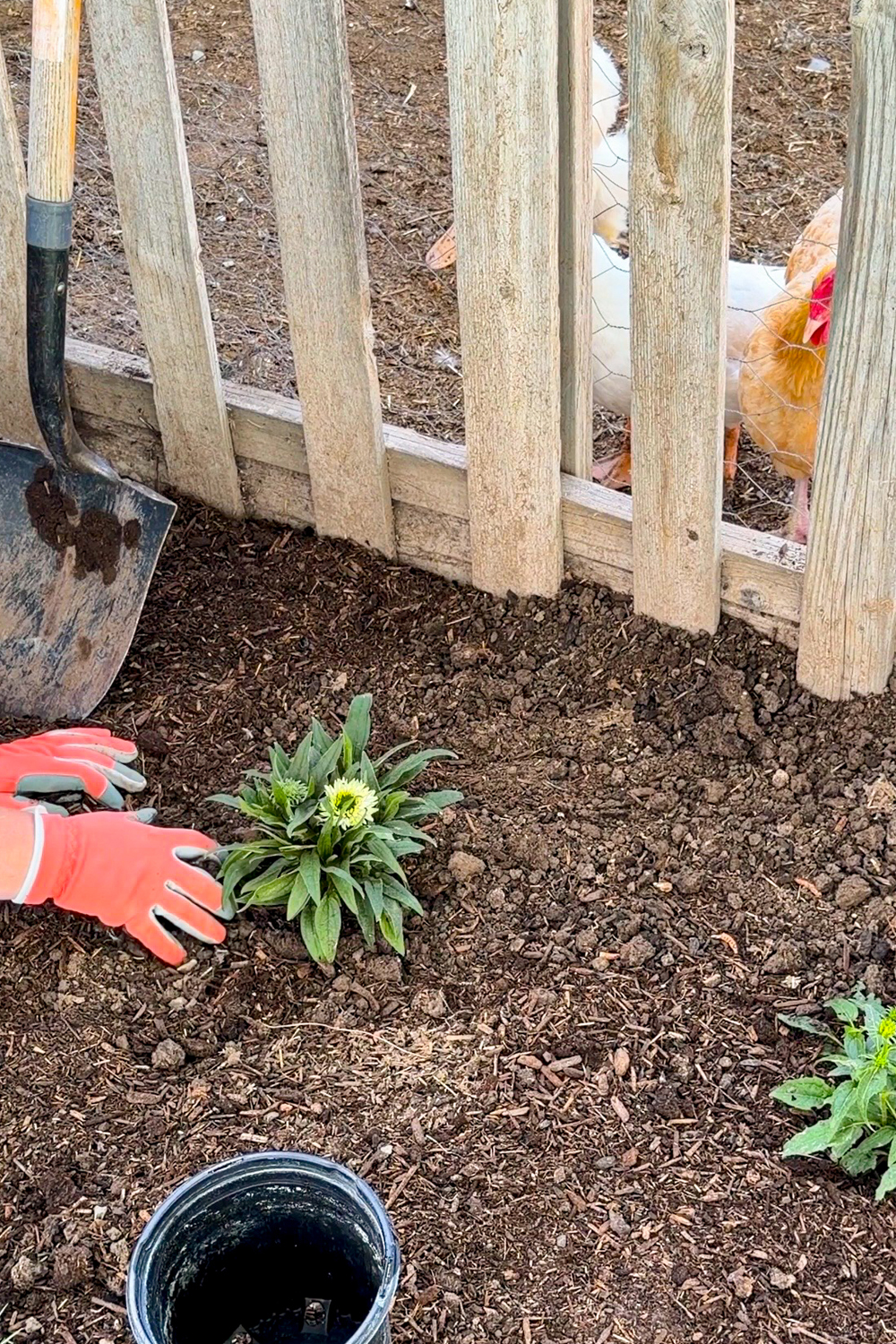
You can attract pollinators by adding plants that have an abundance of nectar and pollen including plants that are native to your area. Not only will pollinators love them but they are easier to care for since they are best suited for your climate.
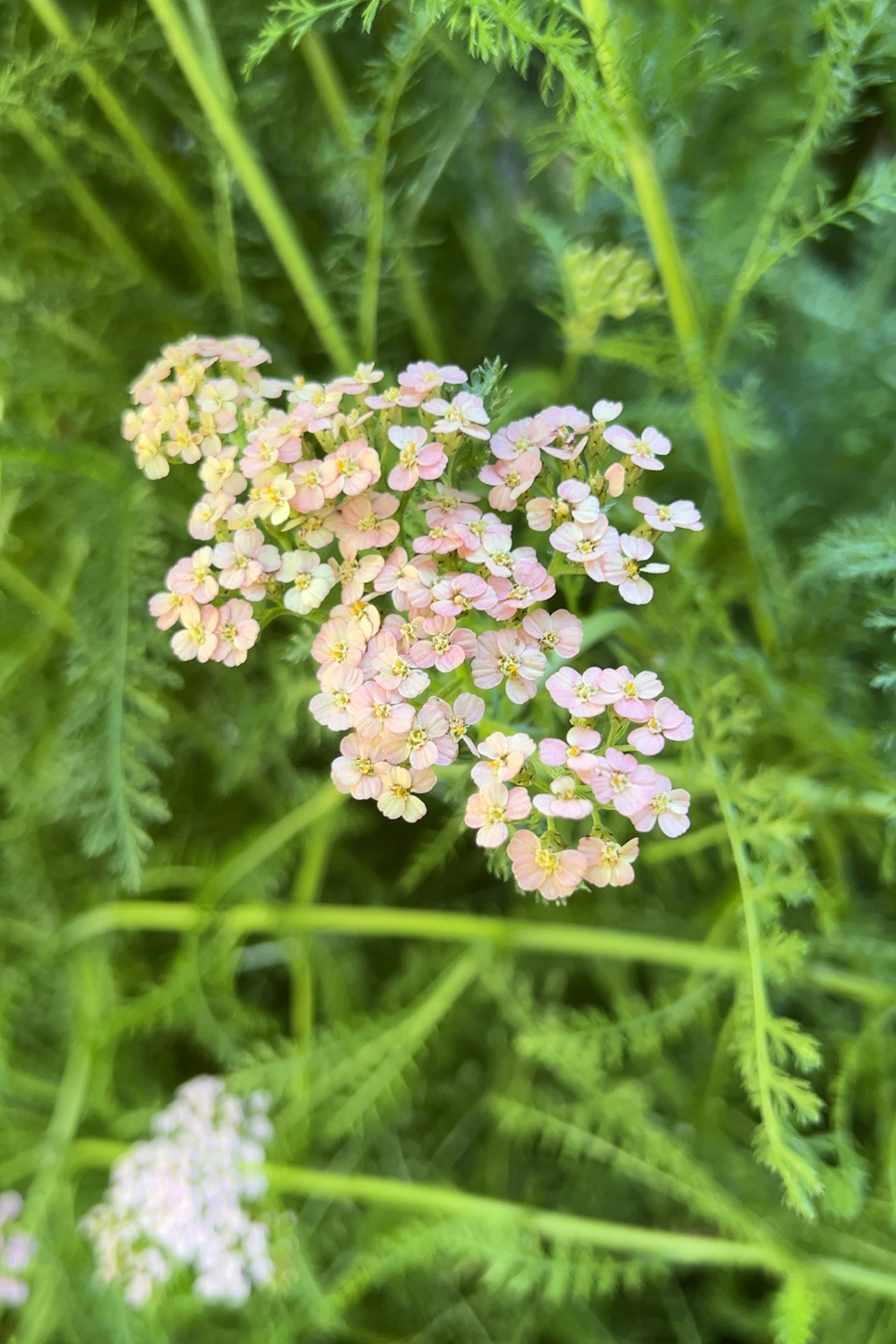
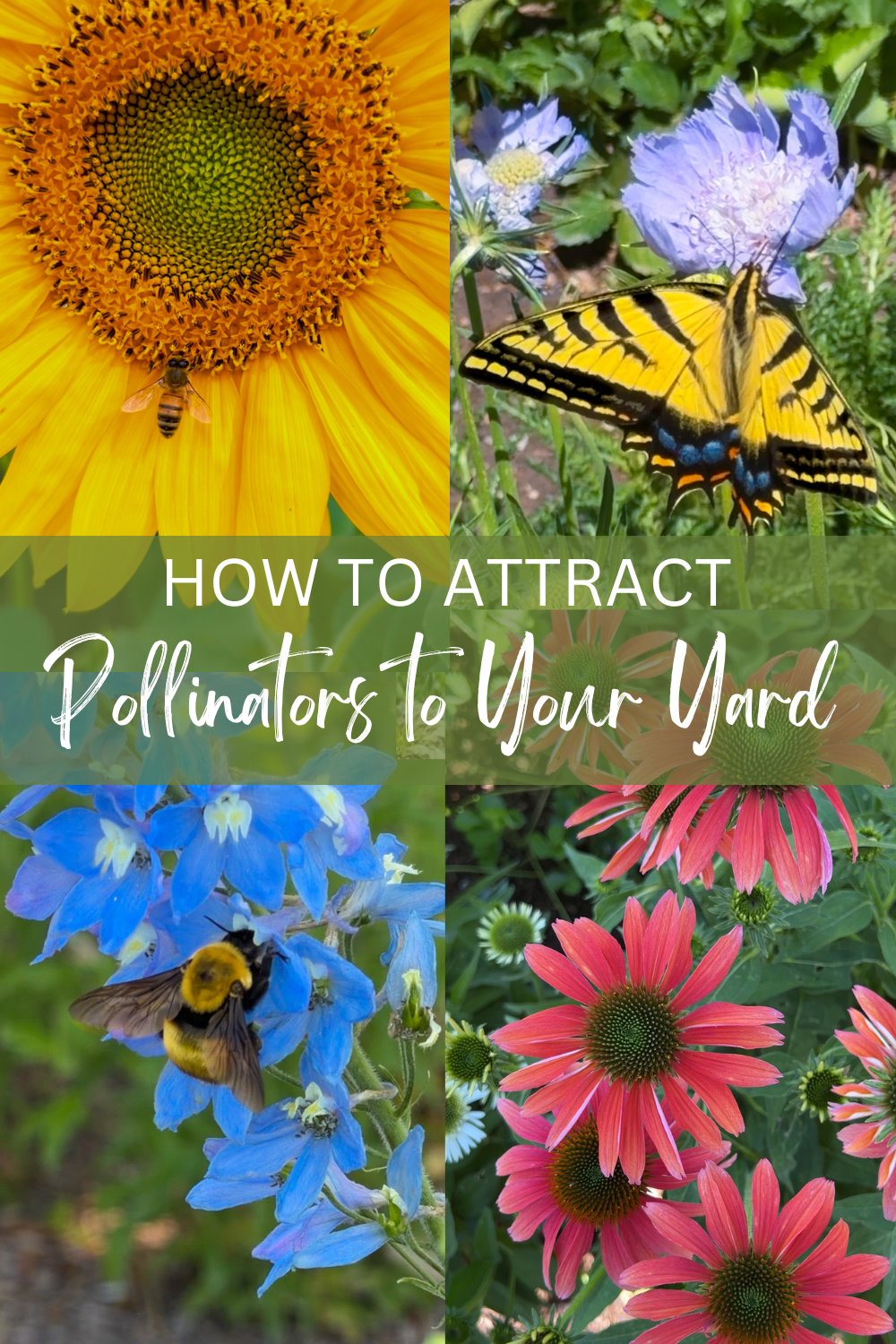
Things like coneflowers, sunflowers, yarrow, delphinium, cosmos, blanket flower, pincushion flower, veronica, and zinnias. You can find a complete list of native plants that pollinators love by visiting the extension office's website for your particular state.
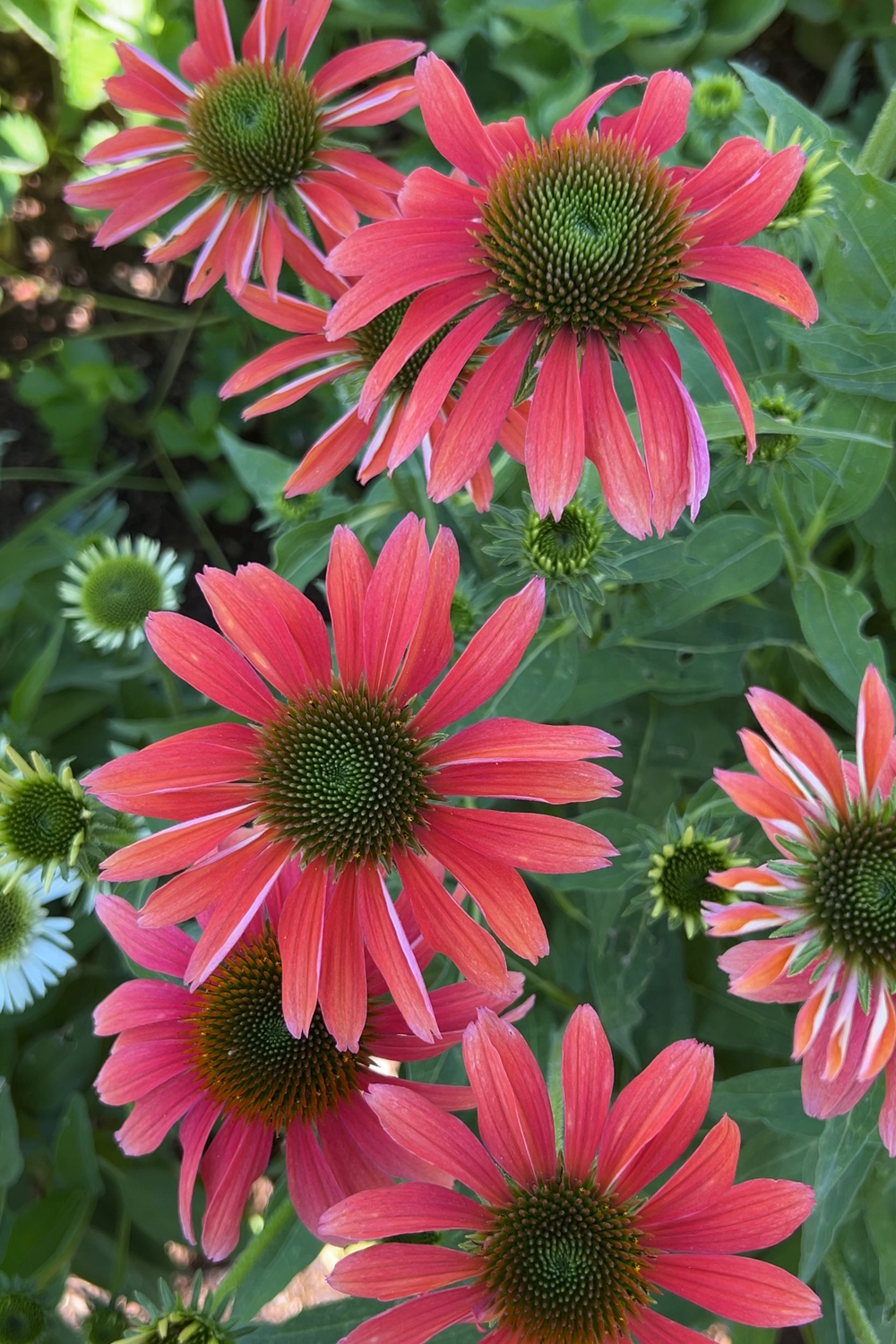
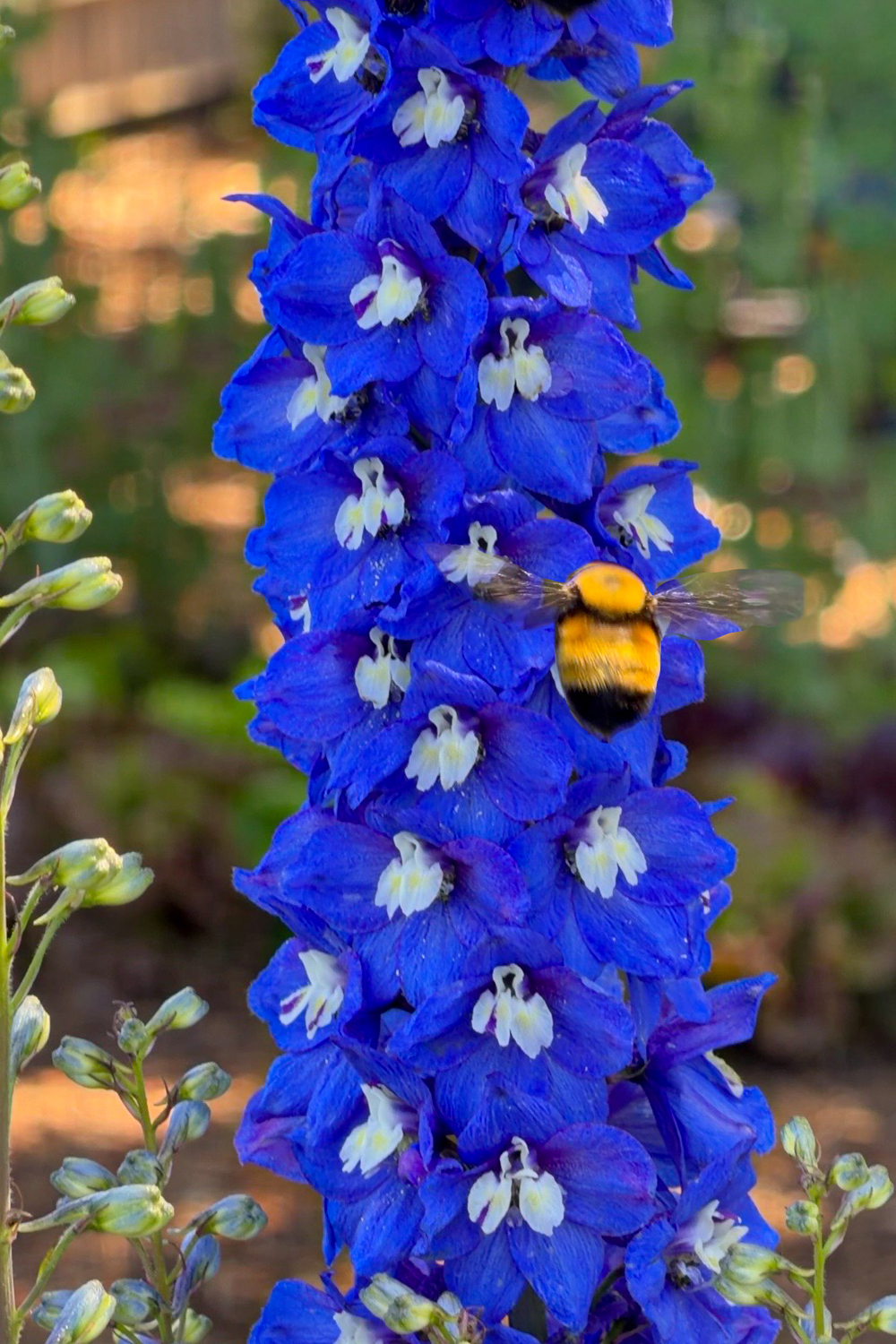
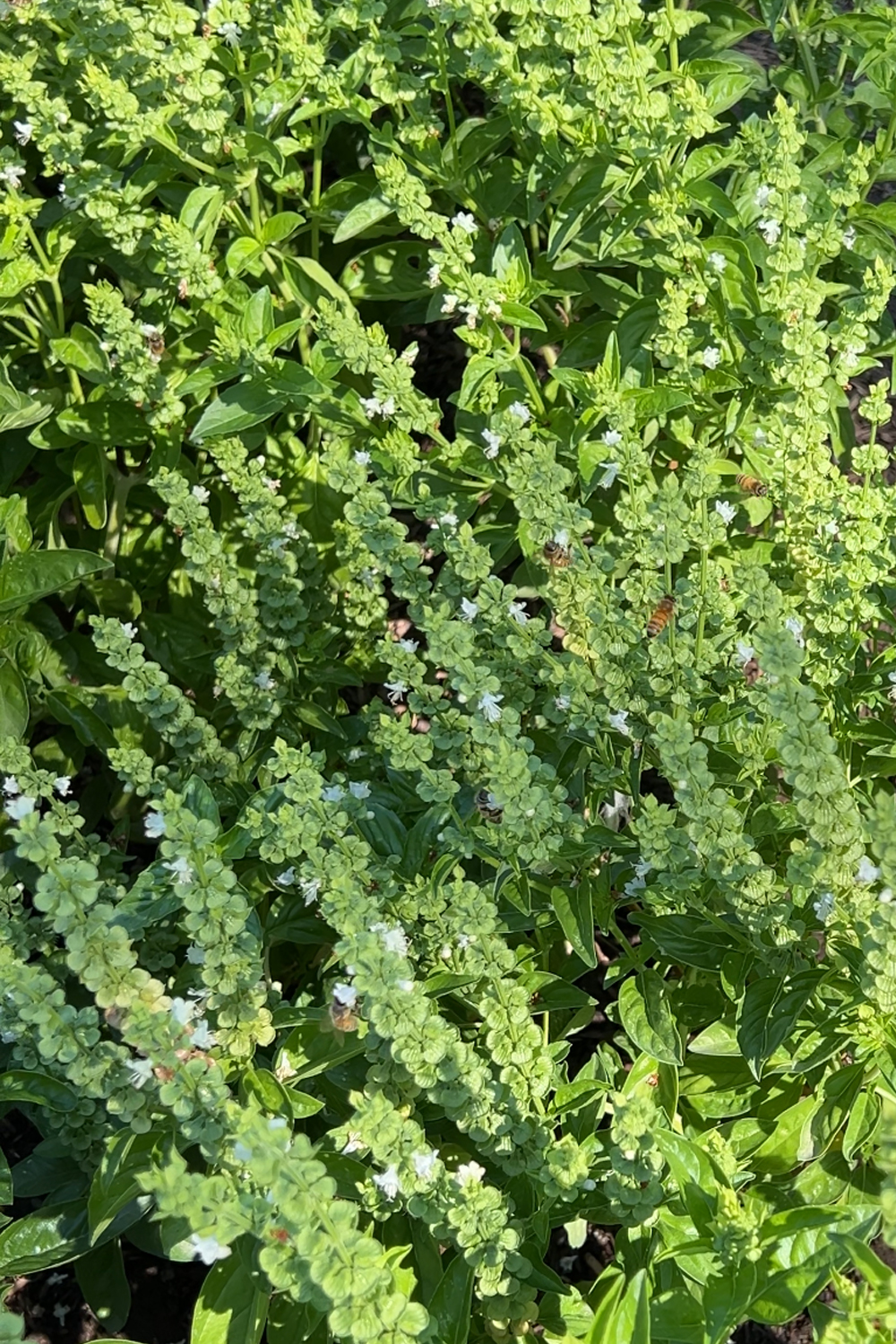
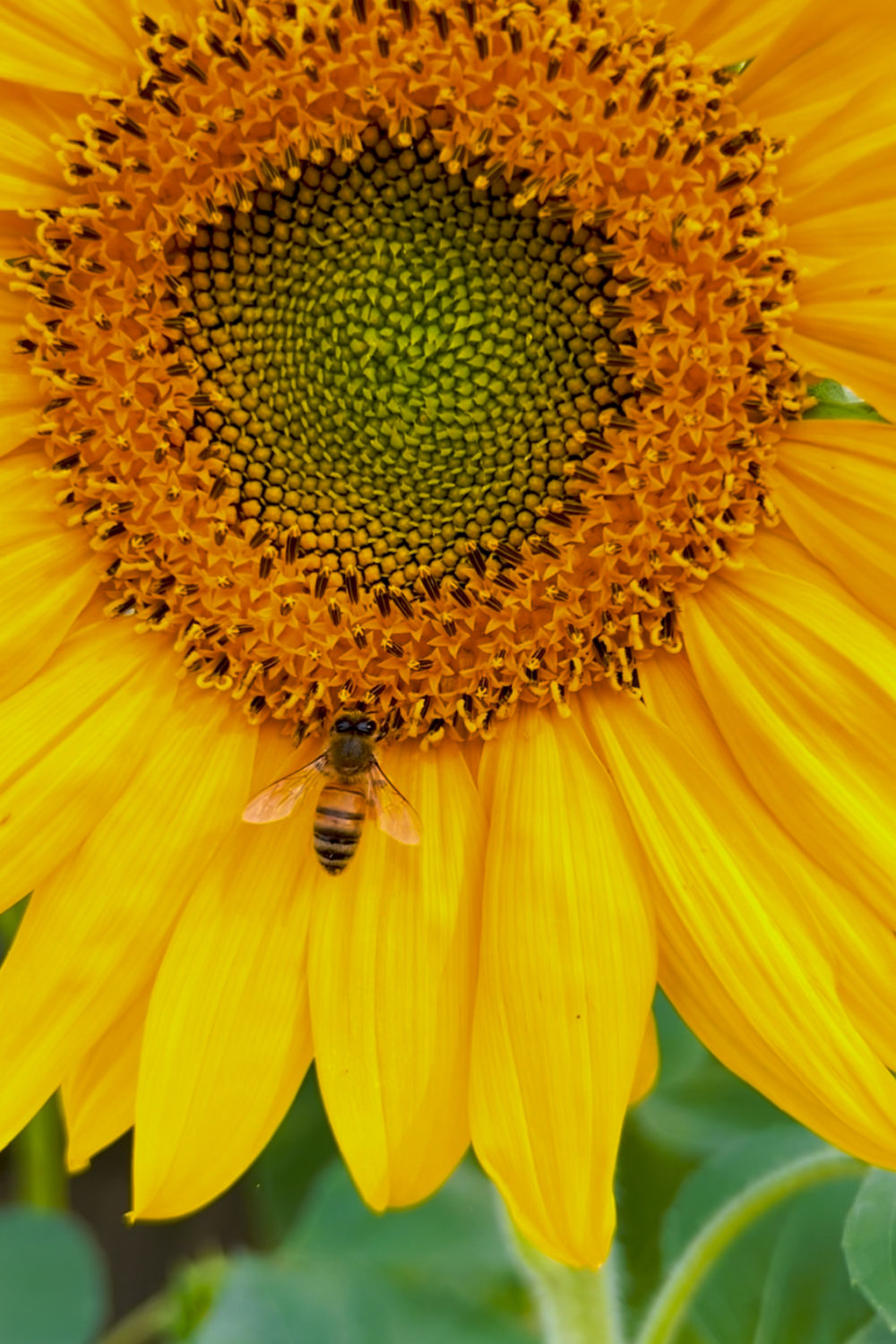
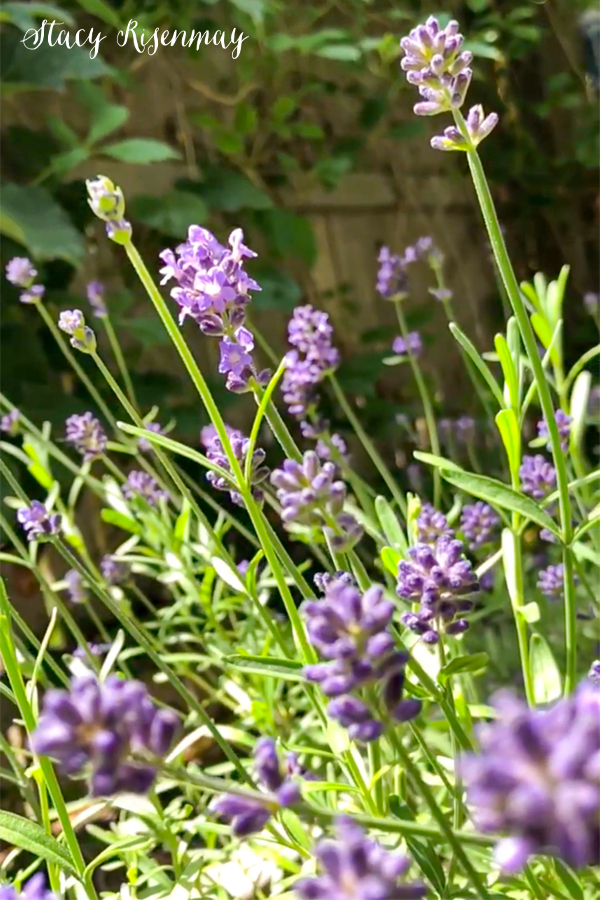
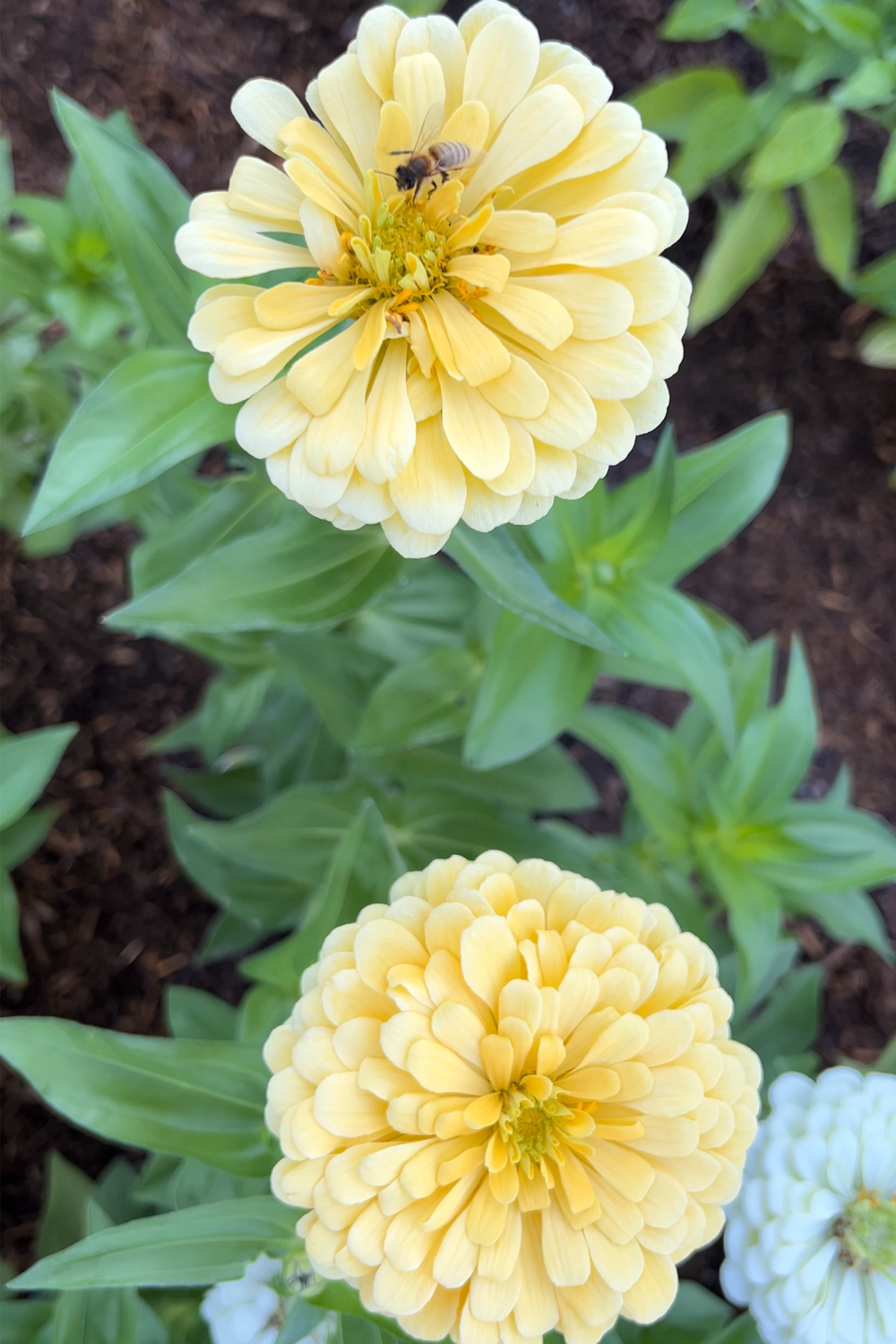
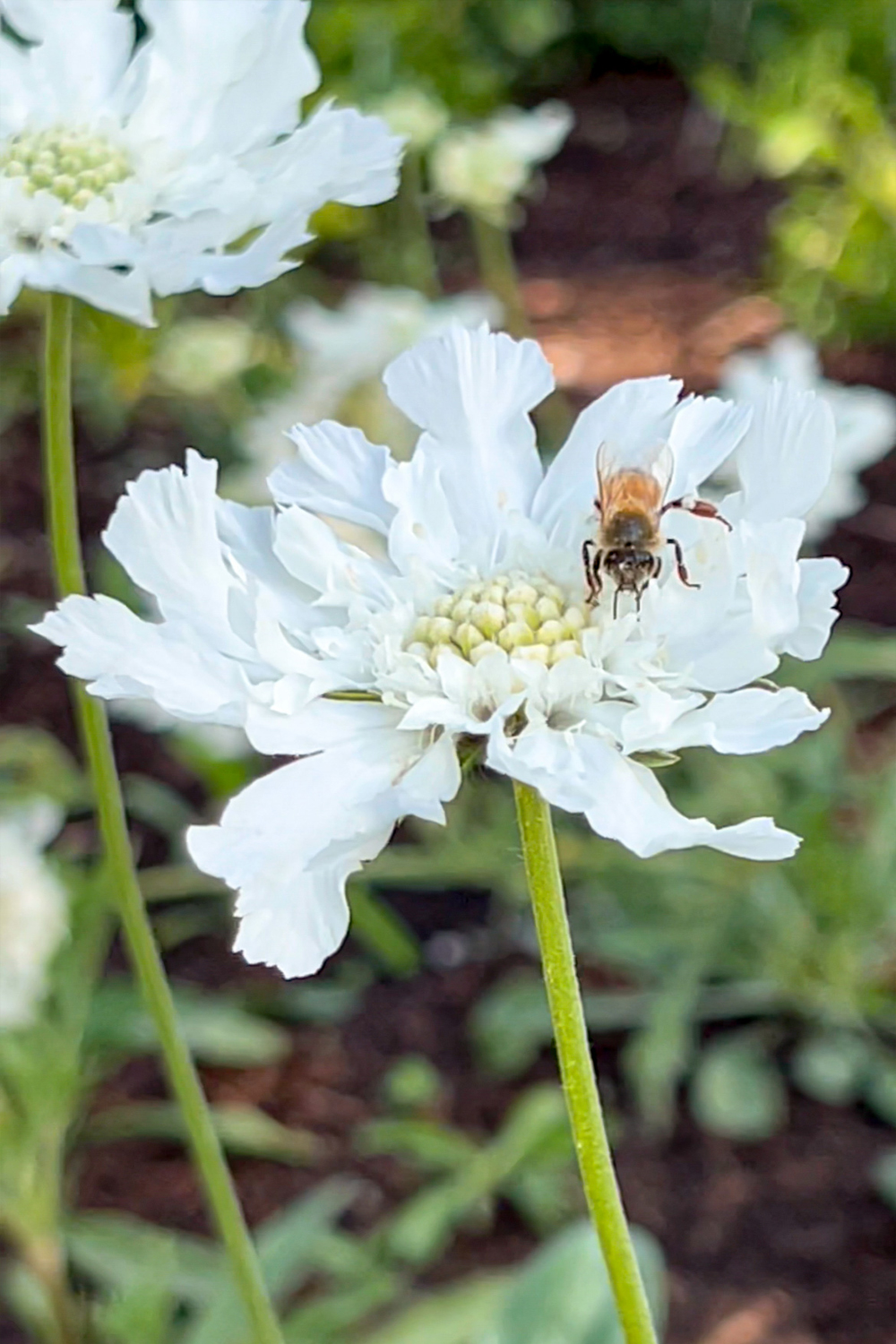
Don't forget the herbs! Plants like dill, basil, sage, lavender, and mint are excellent for enticing beneficial insects.
Plant For Each Season
The more variety you have the better! Plant things that will bloom in the spring, things that will flower in the summer, and plants that will continue to bloom through the fall. It is important not only for aesthetic reasons, but to always have a food source available for pollinators.
Avoid Using Pesticides
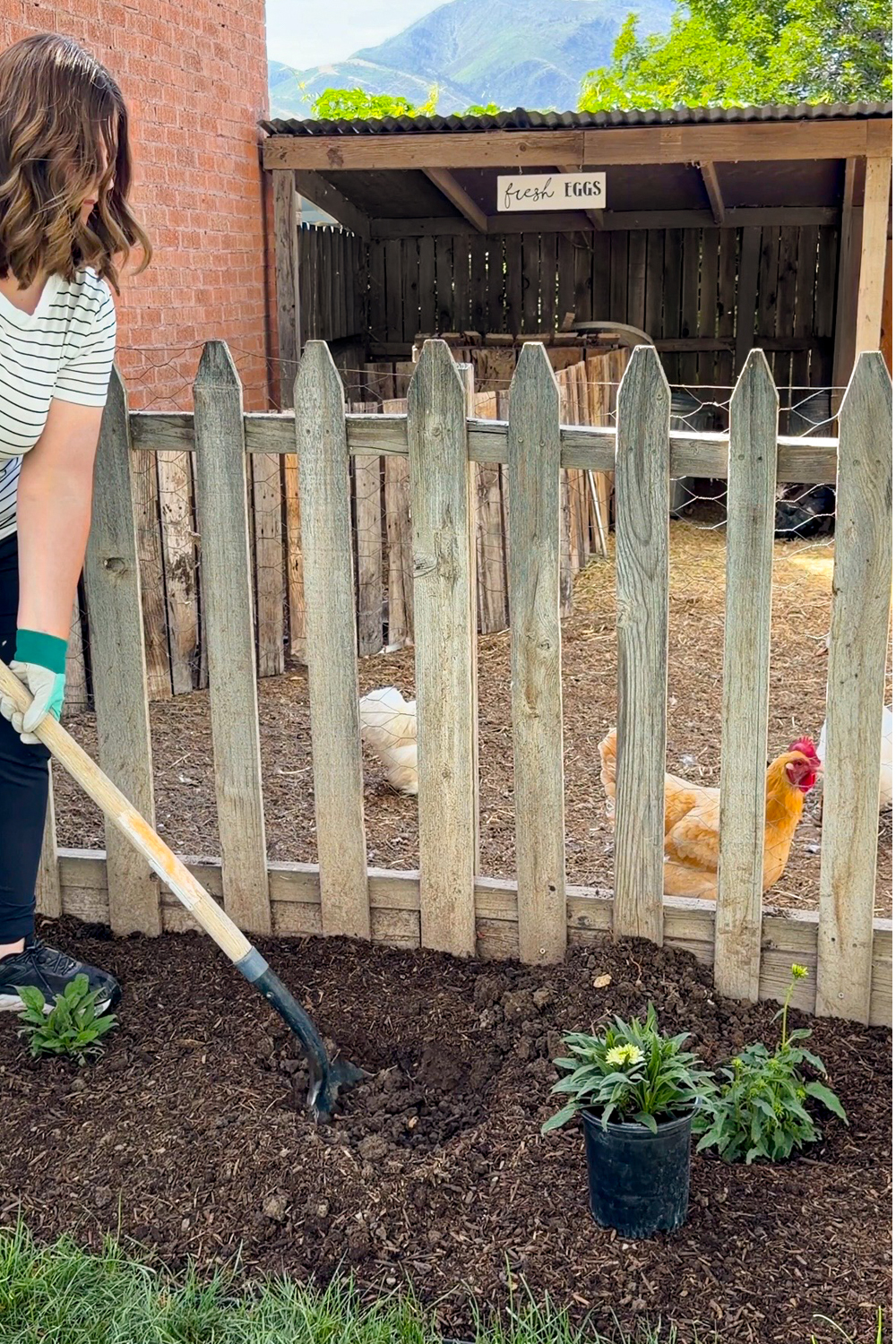
I try to avoid using pesticides when at all possible because they can kill the beneficial insects as well. Poisons can cause more harm than good especially when used incorrectly. Please read instructions and only apply in the early morning or dusk when pollinators are not active.
Yard Clean Up
In the fall when you are prepping your yard for winter, leave some leaf litter in your garden and flowerbeds and consider leaving the flower and plant stems instead of trimming them down. Native bees overwinter in the ground and in hollow stems.
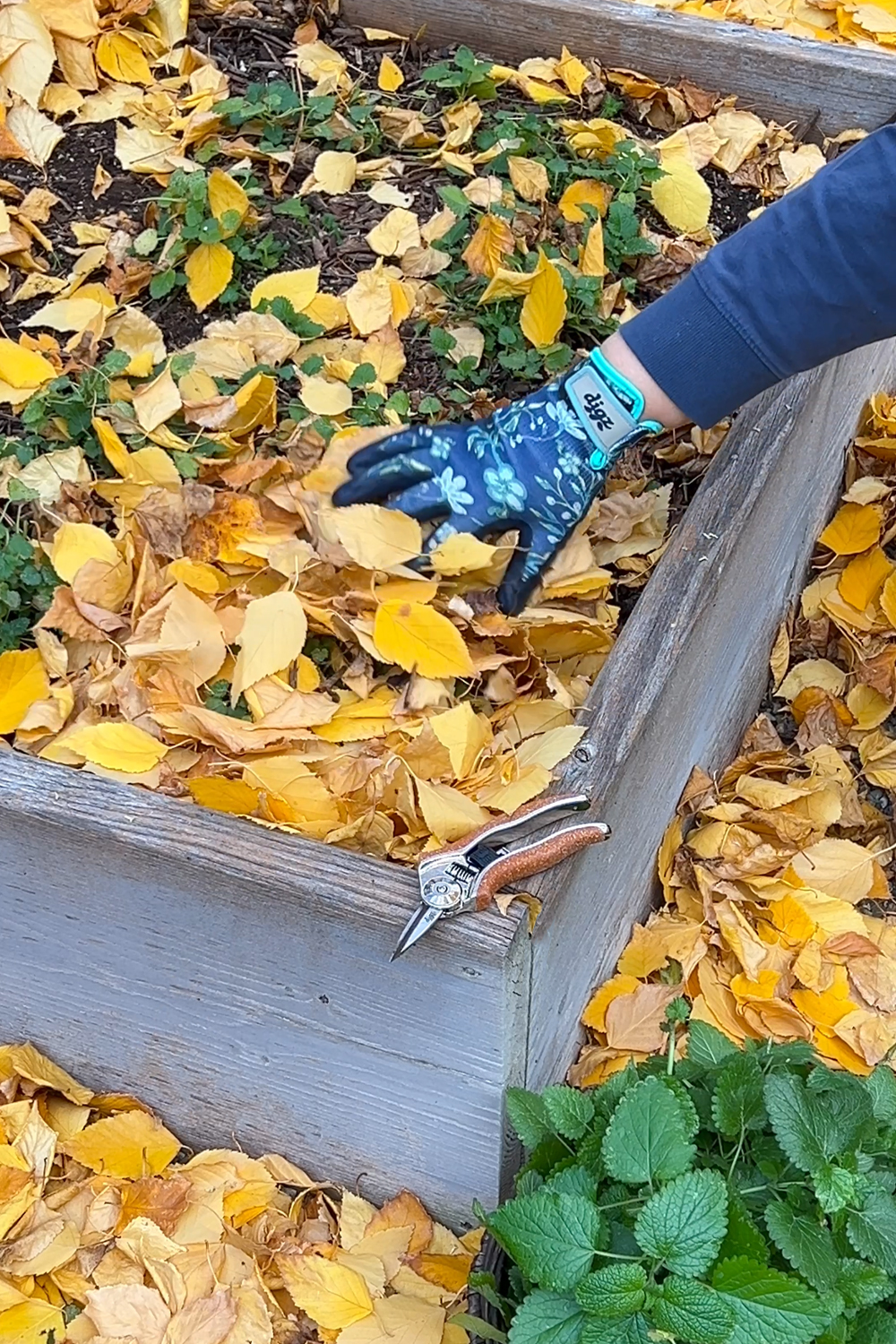
In the spring, avoid cleaning up too early. Wait until temperatures are consistently warm so you don't disturb or throw away any pollinators or their nests. This is your permission to be a lazy spring gardener :)
Add Bee Houses
There are thousands of types of bees, many of which are native to your area. Aside from honey bees and bumblebees, most bees are solitary (which means they don't live in a hive with other bees). Native solitary bees are more docile and less likely to sting.
Solitary bees can benefit from having a place to nest. Mason bees, leaf cutter bees, resin bees, wool carder bees, and carpenter bees will all use the tubes in a bee house (or bee hotel) to build a nest and lay their eggs.
I just bought supplies to build a bee house. I am excited to get that made soon! Whether you buy or make your own, make sure the tubes or straws are 5 to 6 inches deep.
Provide A Water Source
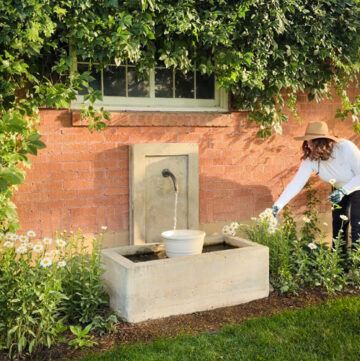
We have a fountain that the bees and birds love and in the past I have placed shallow dishes in the garden. This year I added these small bird baths to the garden and the pollinators have loved them!
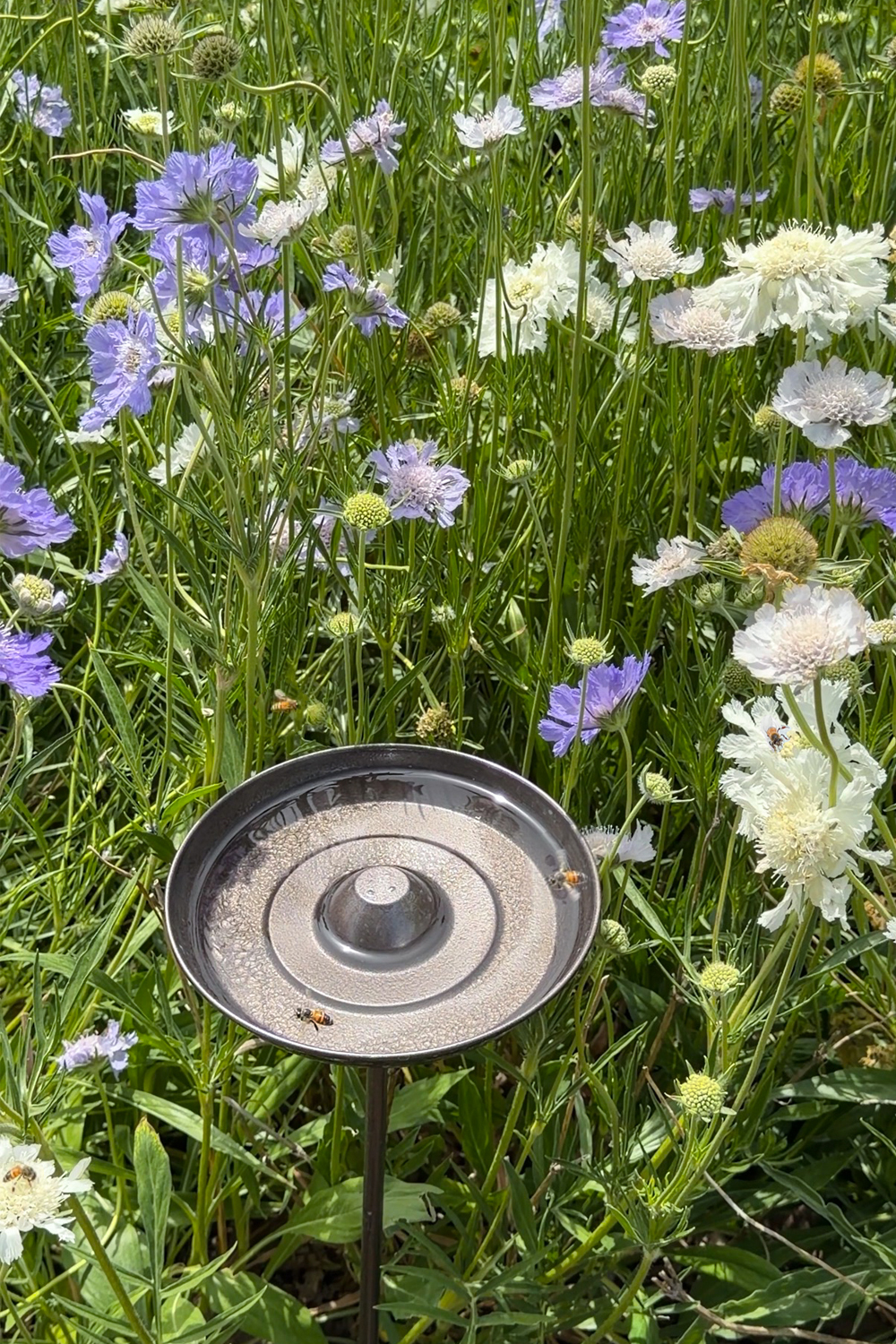

The more inviting you can make your yard, the more pollinators will come. More pollinators means your plants will have better pollination and you will have a better harvest! It is a win, win. What have you done in your yard to attract pollinators?
PIN For Later:




Love this! I have a butterfly/pollinator garden that I'm starting again. I'm going with Natives and so far is going better than before. Please share the bee hotel DIY as this is on my list. :)
That is so exciting! In the future I want to take all the grass out of the front yard and add native plants for pollinators.
I will try to get the bee house done soon!
Hi Stacy! I absolutely loved your insights on attracting pollinators to our gardens. It’s fascinating how much of a difference native plants can make! I’m curious, though—do you have any personal favorites among the flowers you recommend? Also, have you ever thought about incorporating games like sprunki game into gardening activities with kids? It might be a fun way to teach them about nature and conservation while keeping it playful. What do you think?