

A common reason people choose not to compost is that they aren't sure how. They lack the knowledge or it seems intimidating. Compost doesn't need to be complicated! Let's break down (haha, see what I did there?) the basics. Here's all the dirt on composting and how to turn waste into garden GOLD!
This post is sponsored by Digz Gardening but all ideas and opinions are 100% my own.
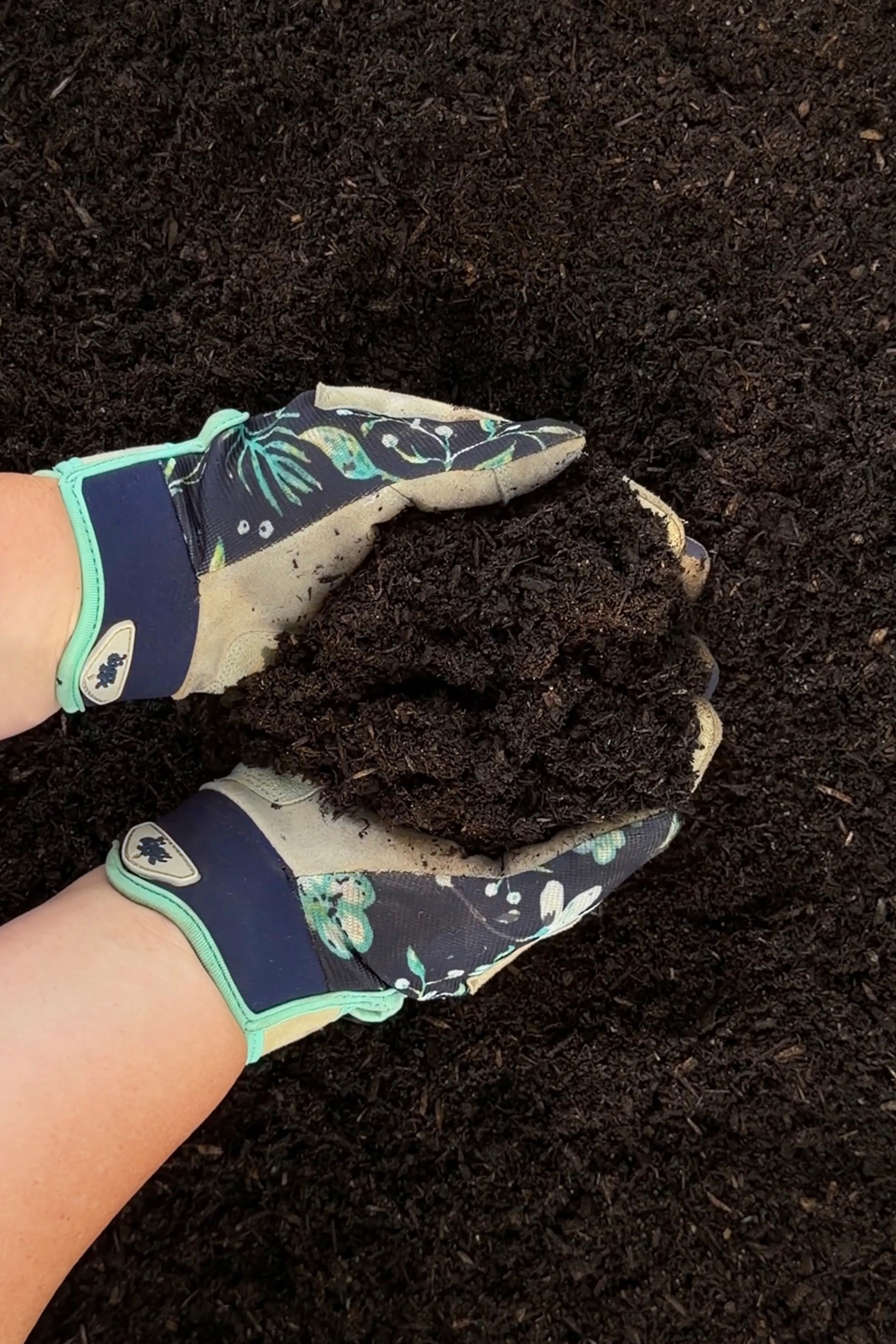
Why You Should Compost
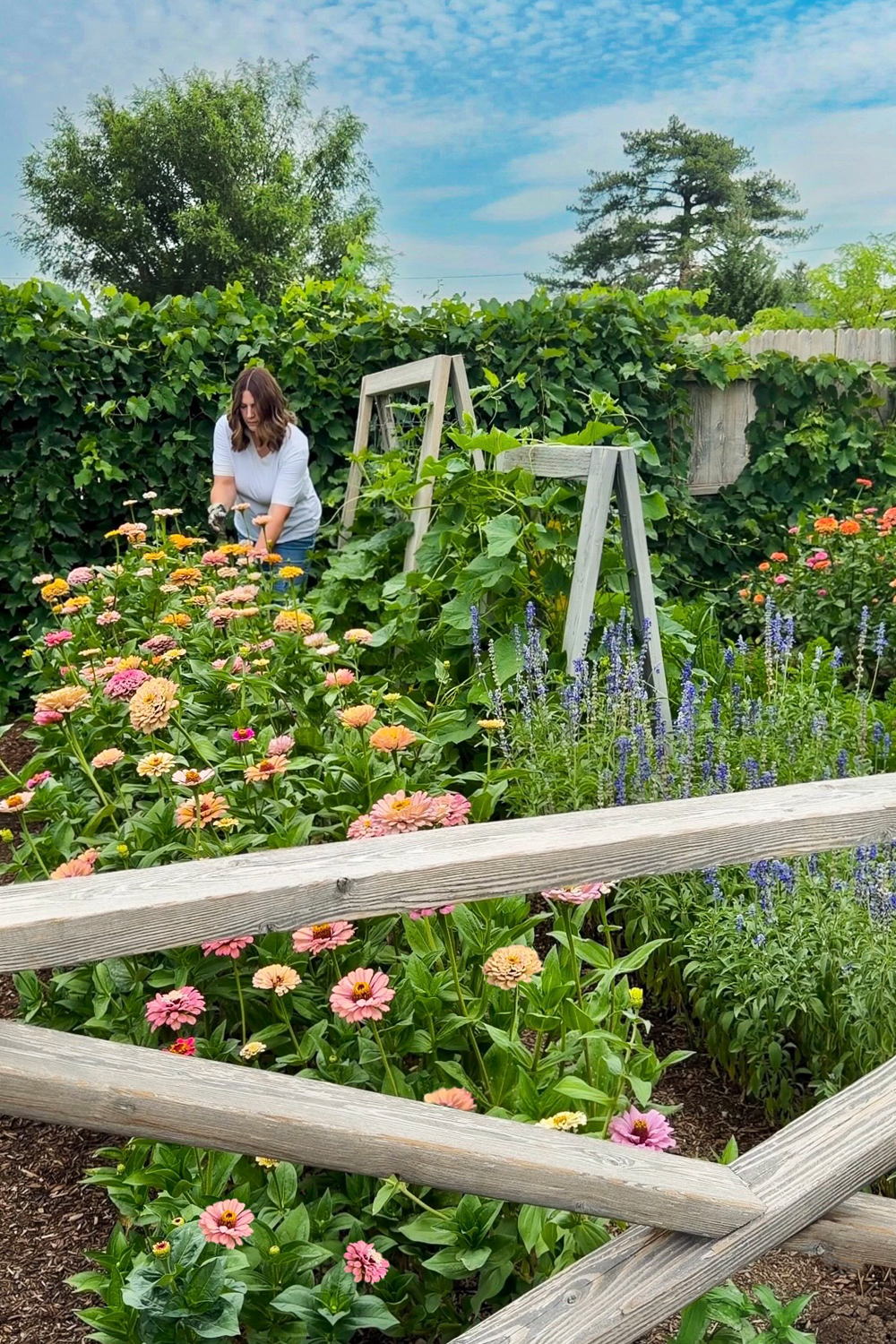
Composting your kitchen scraps and yard debris means less waste going in the garbage. When you chose to compost, not only are you reducing your waste, but you are enriching your soil. Better soil results in a bigger harvest, more flowers, and less synthetic fertilizers. It really is a win, win situation.
The Ingredients of Compost
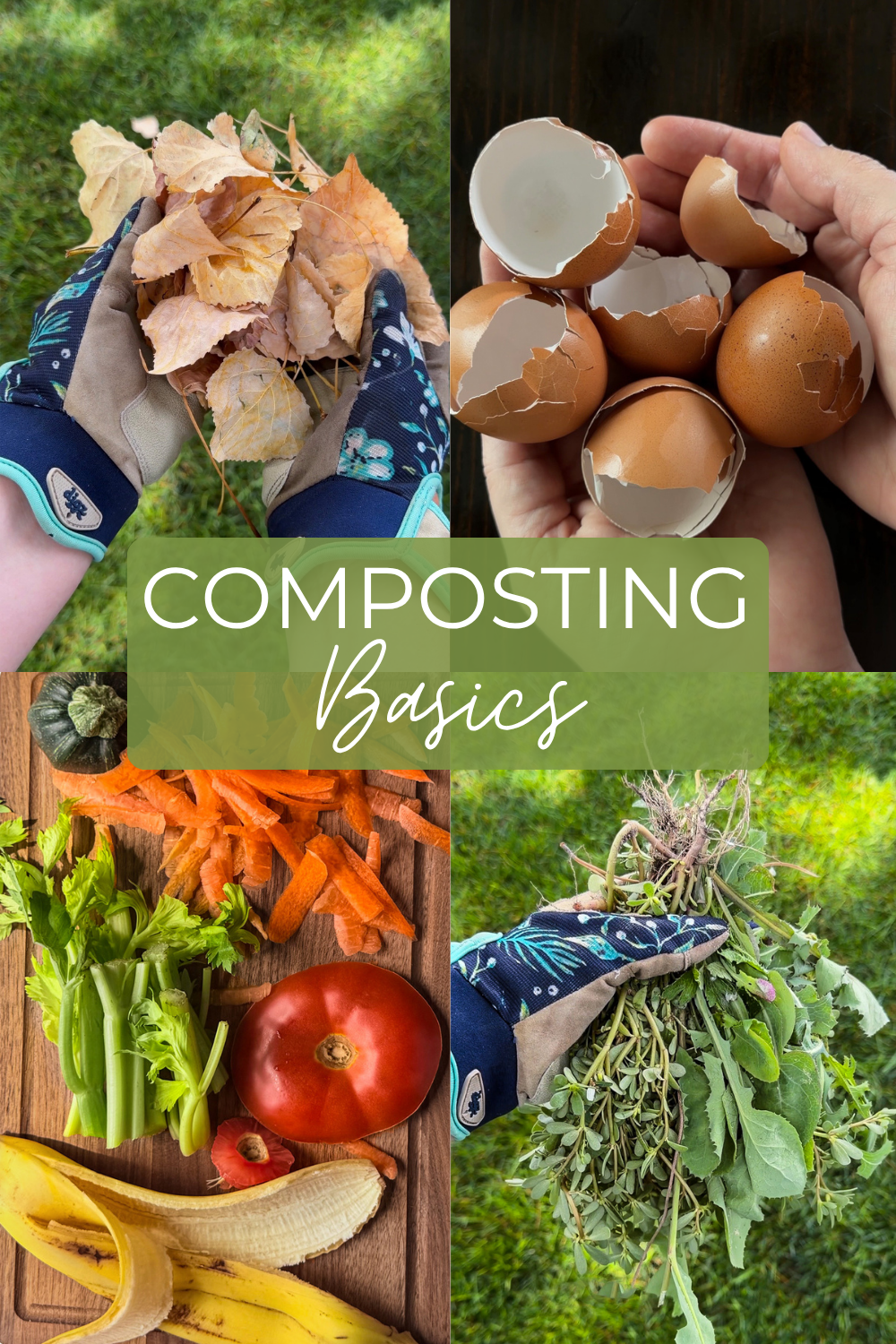
Compost is made up of two basic ingredients: nitrogen-rich materials and carbon-rich materials. Think of them as the “greens” and “browns”. They work together, as they break down, to create a healthy, balanced compost.
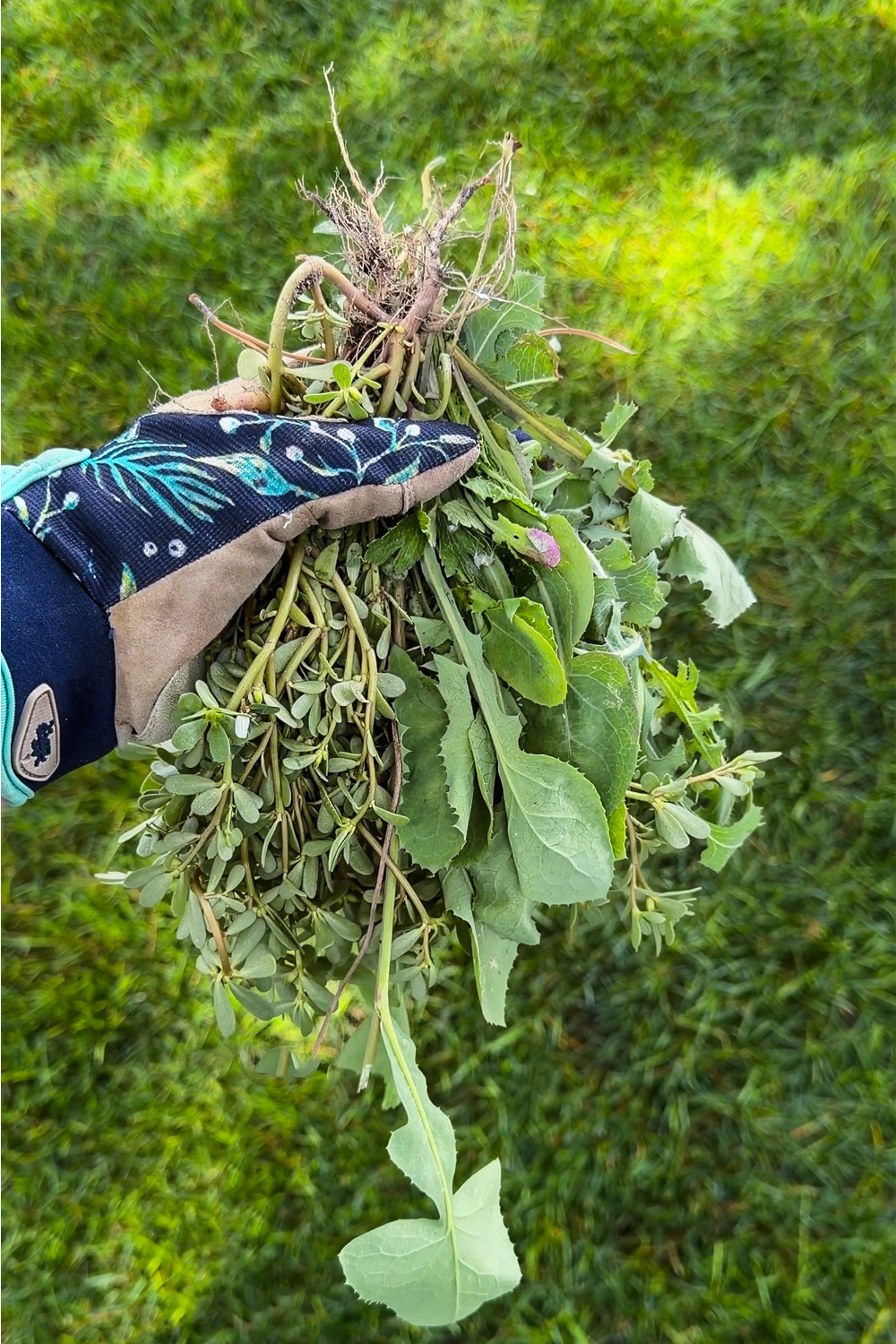
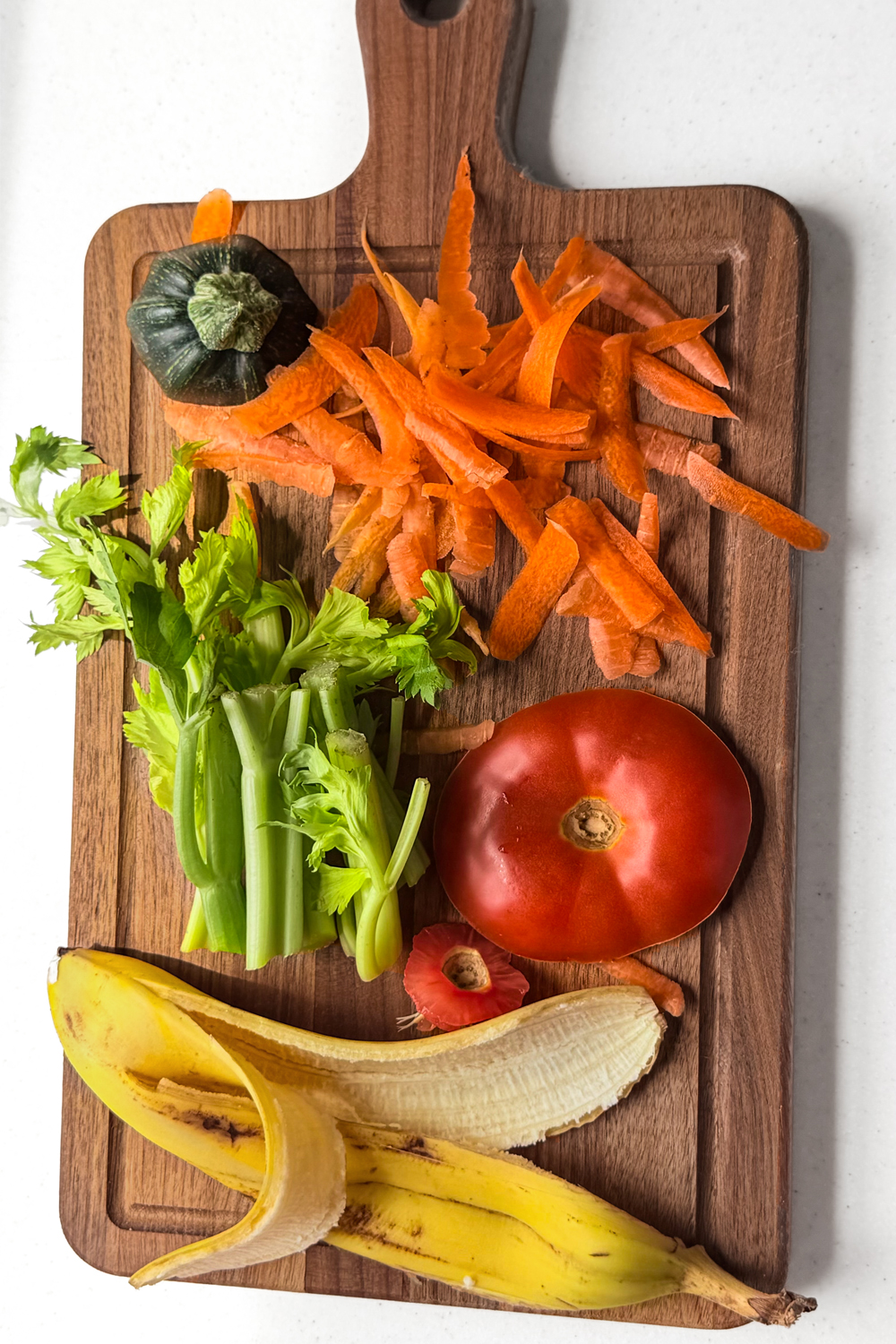
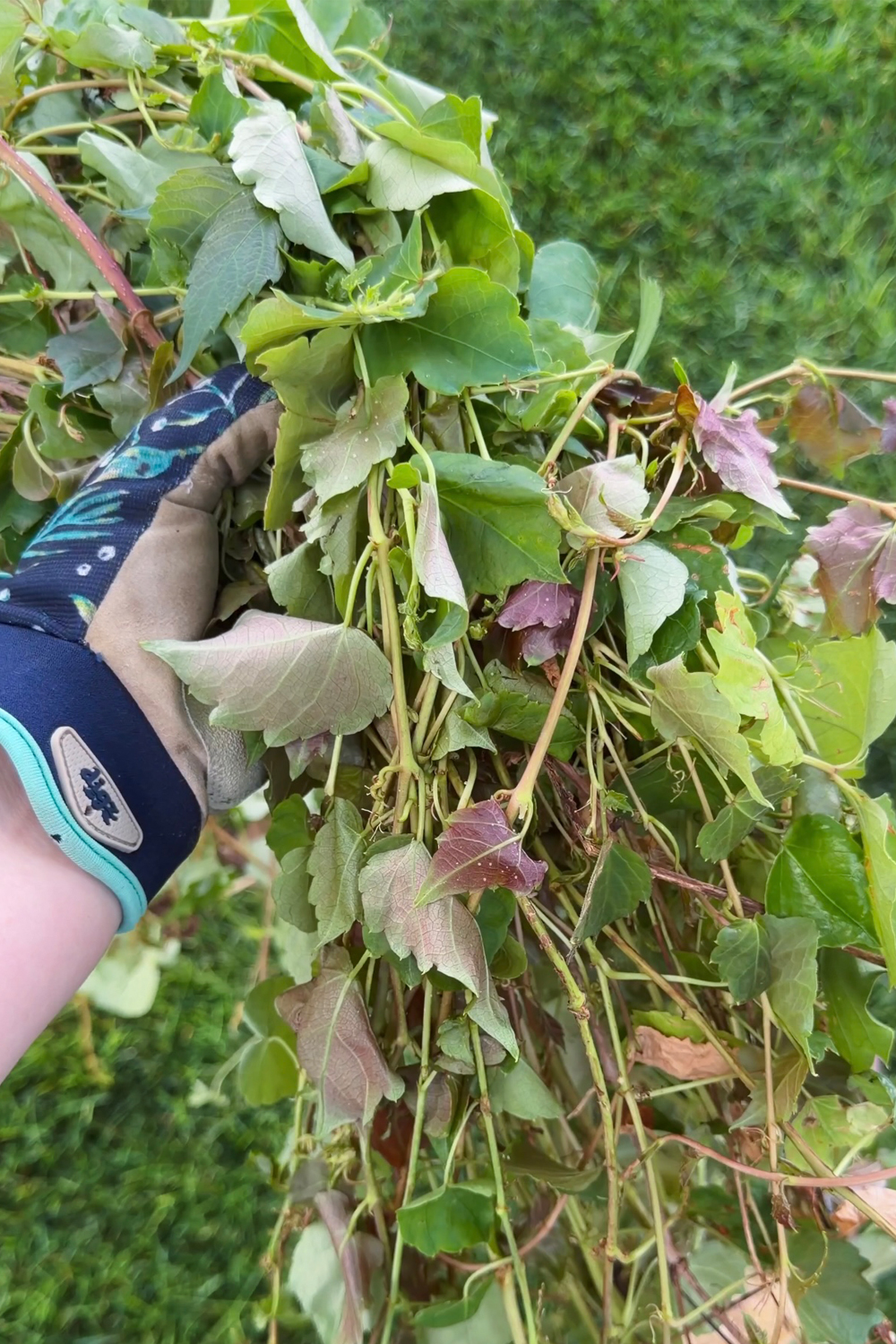
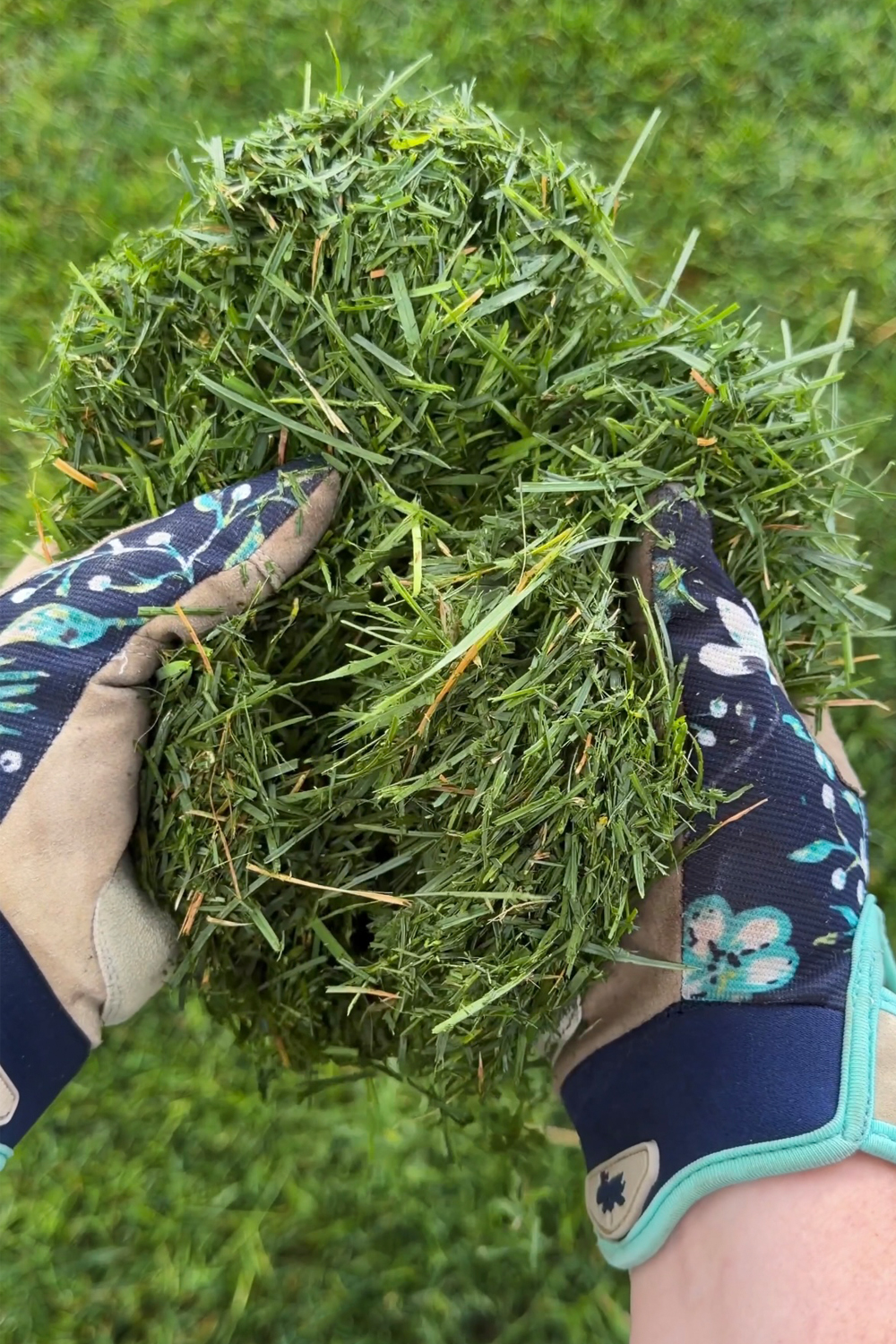
Examples of nitrogen based things you can add to your compost bin are grass clippings (as long as your grass hasn't been treated), weeds that haven't gone to seed yet, fruit and vegetable scraps, vines that have been trimmed, and manure from herbivores.
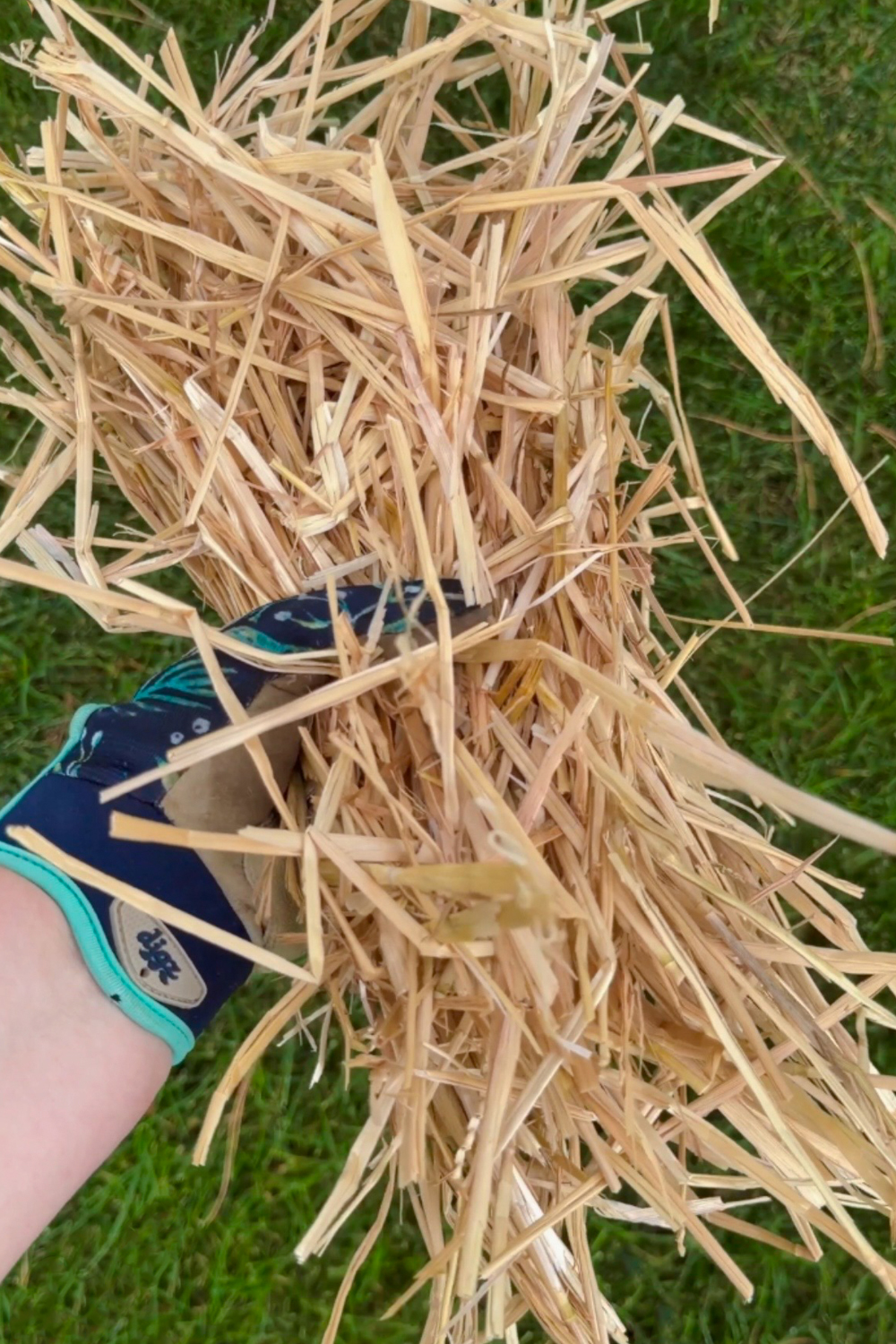
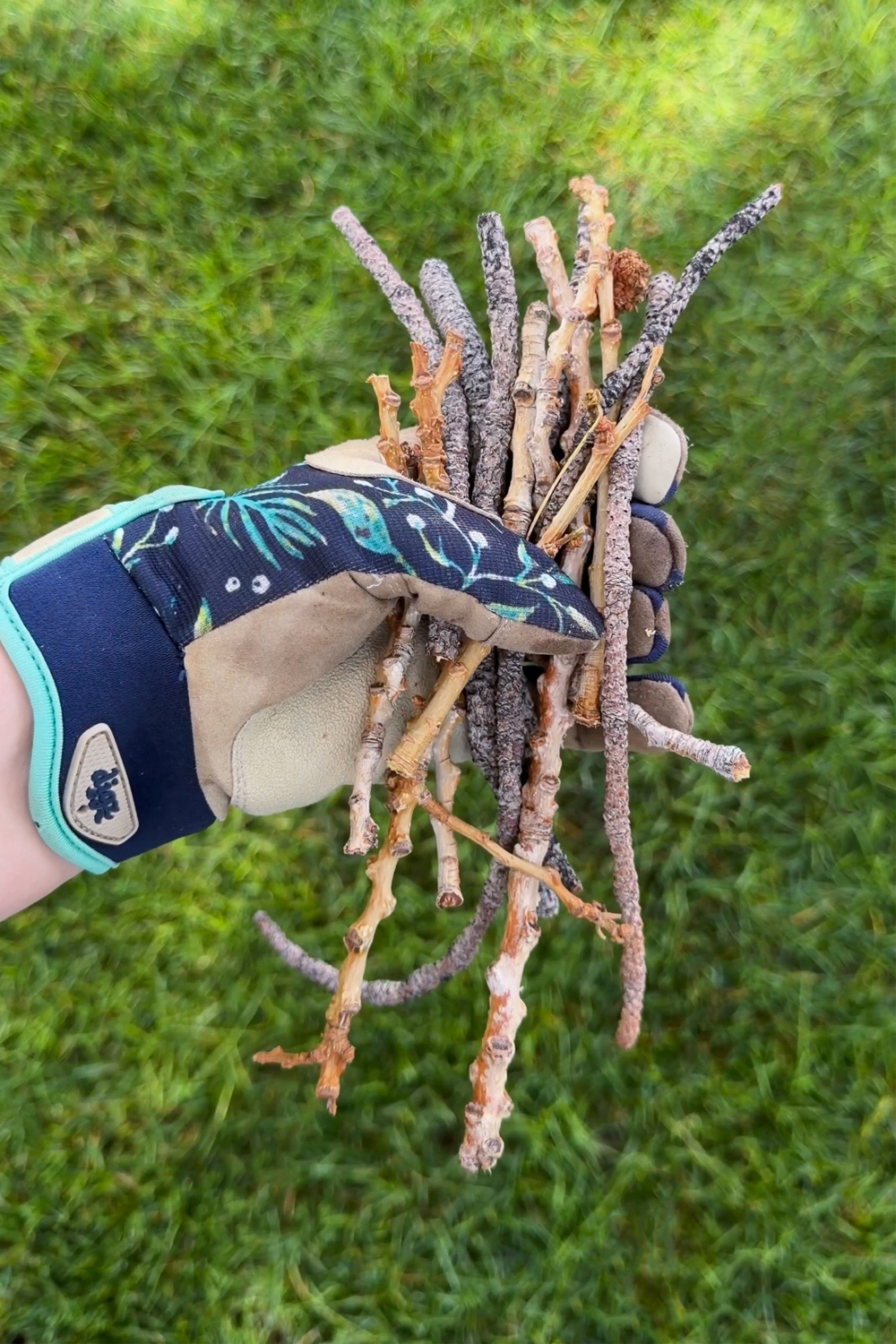
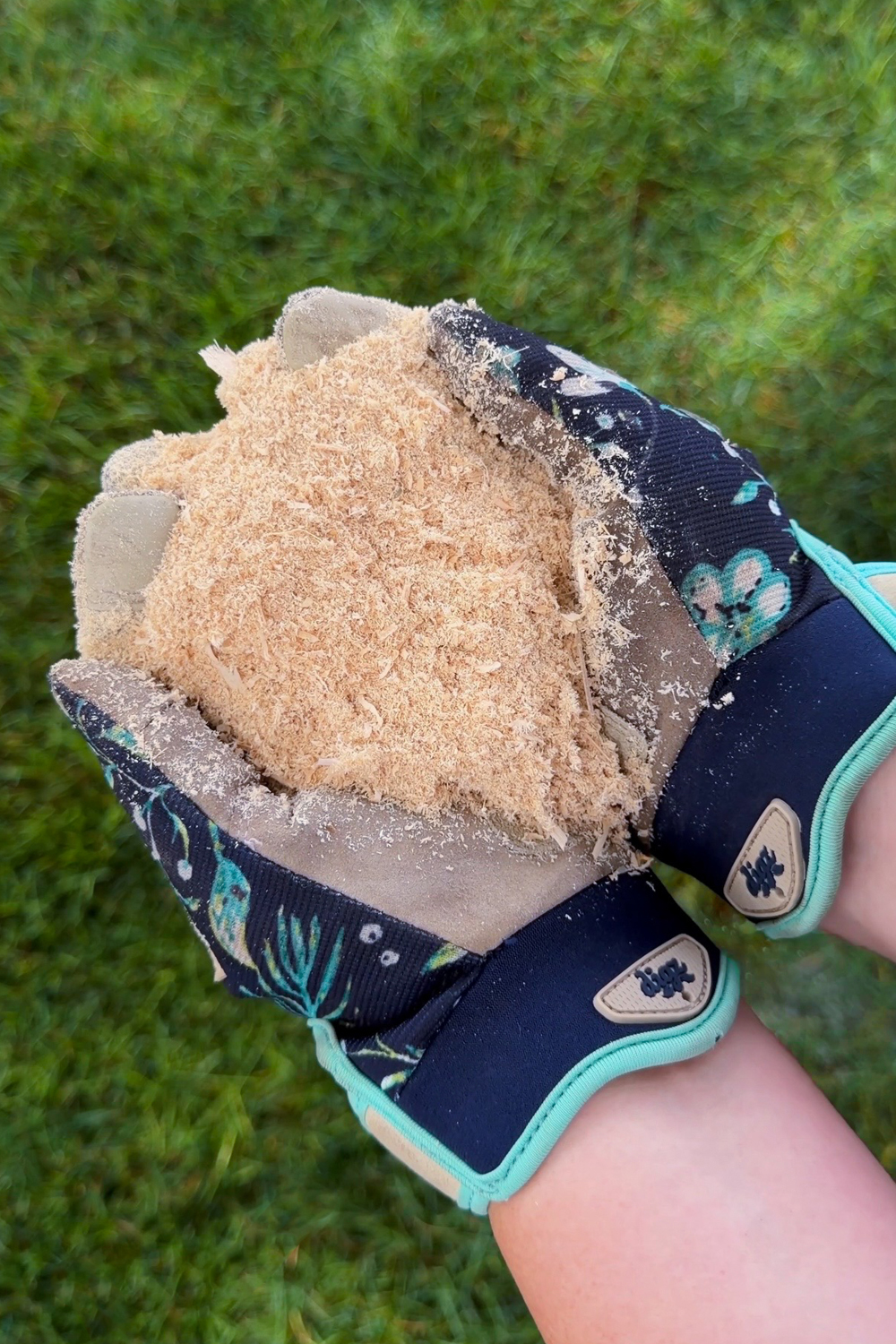
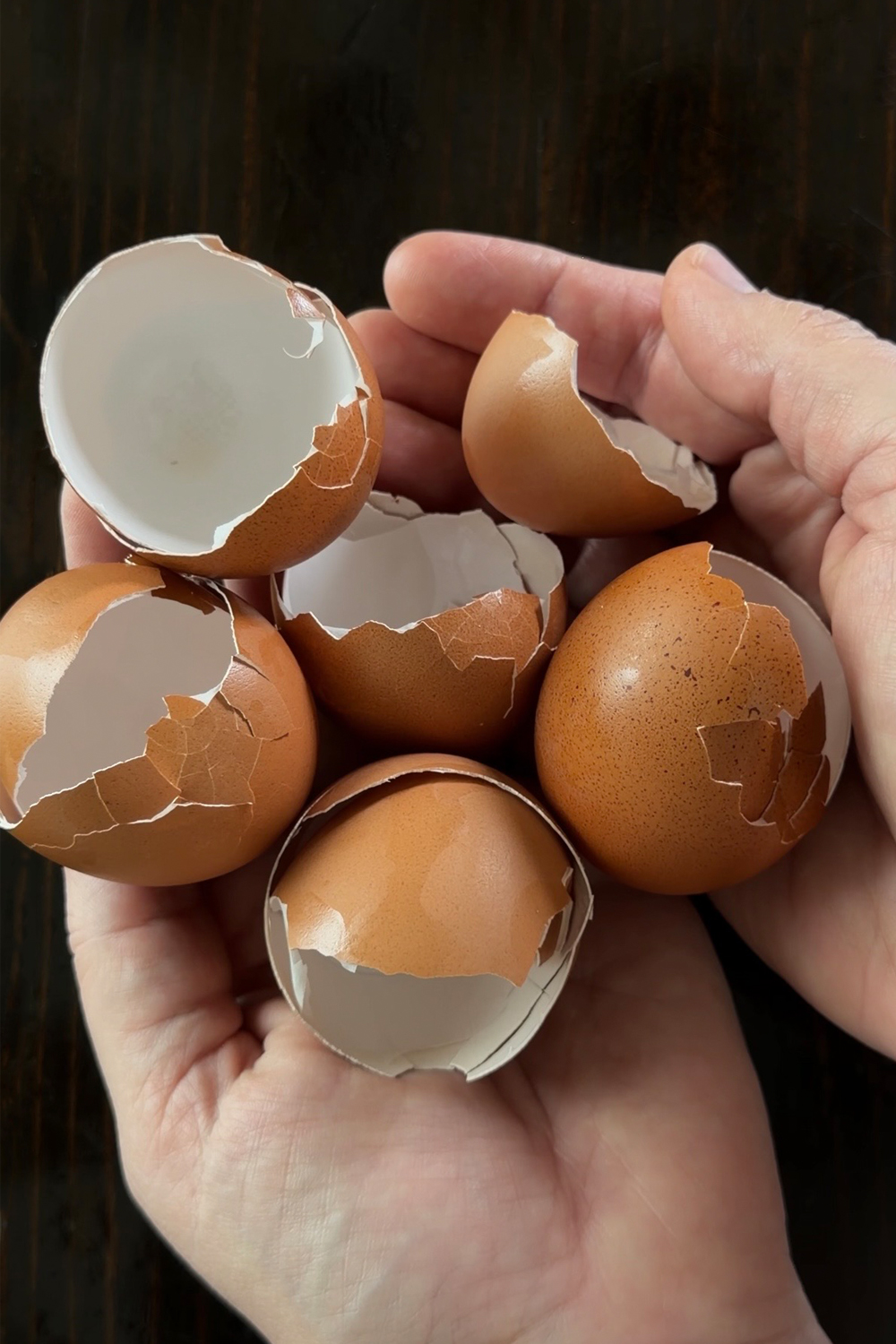
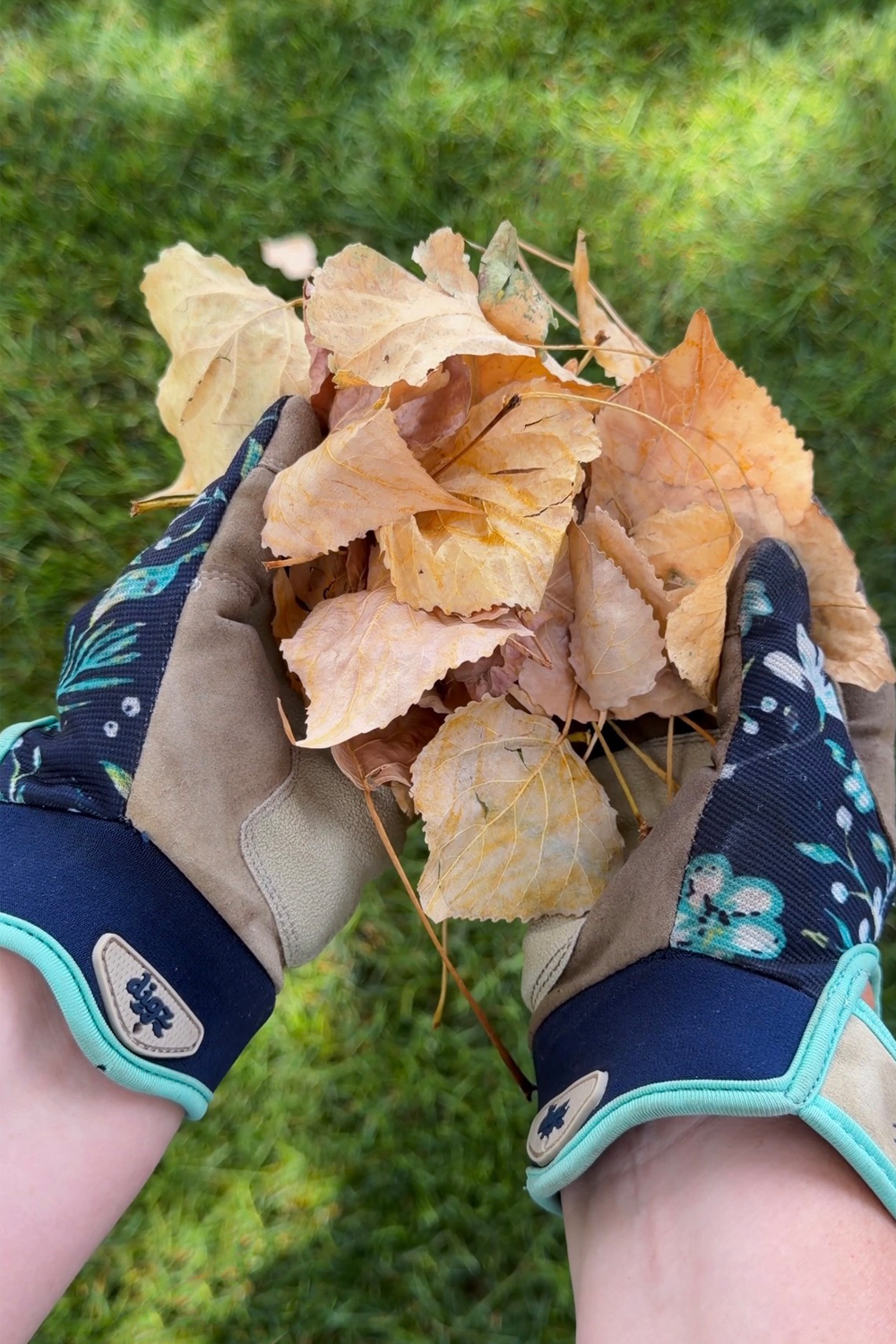
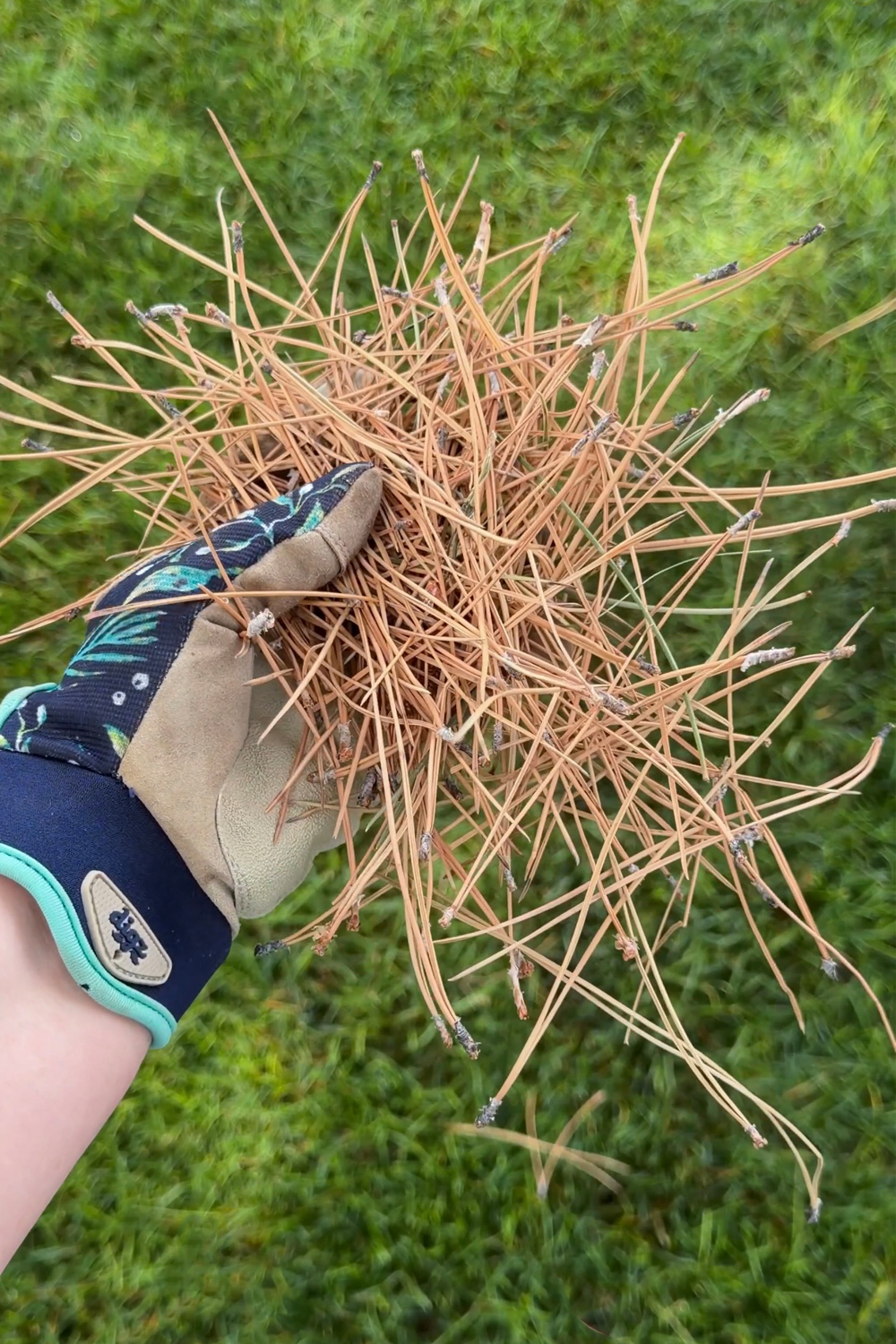
Examples of carbon based things you can add to your compost pile are dried leaves, straw, pine needles, small sticks, egg shells, wood ash from untreated wood, and sawdust from untreated wood.
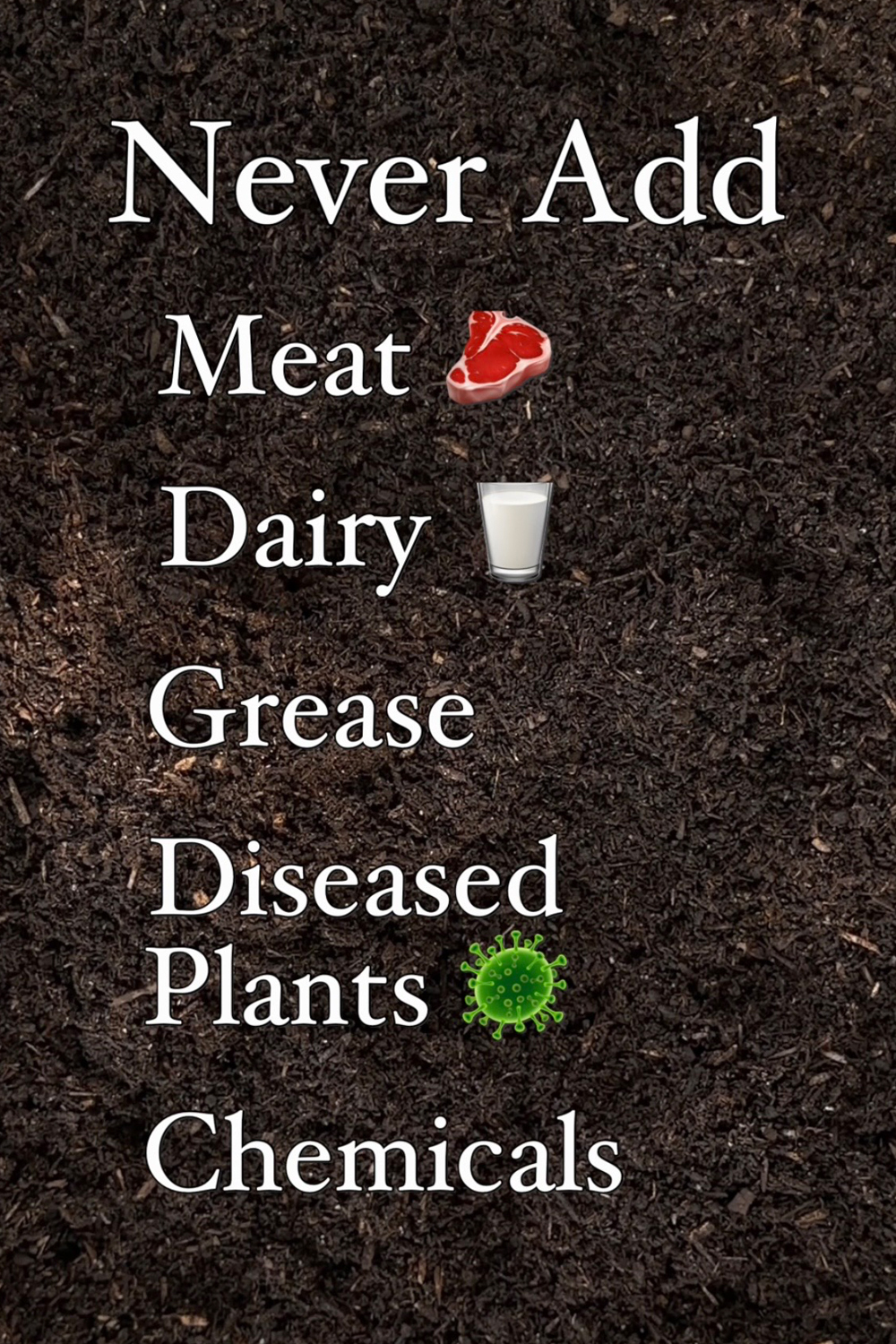
Things You Should Never Add To Compost
There are some things you should never add to compost however. Don't add meat, dairy, grease, diseased plants, or anything that has been chemically treated. Whatever goes into your compost, will go into your garden, which will affect your food you grow.
Types of Composters
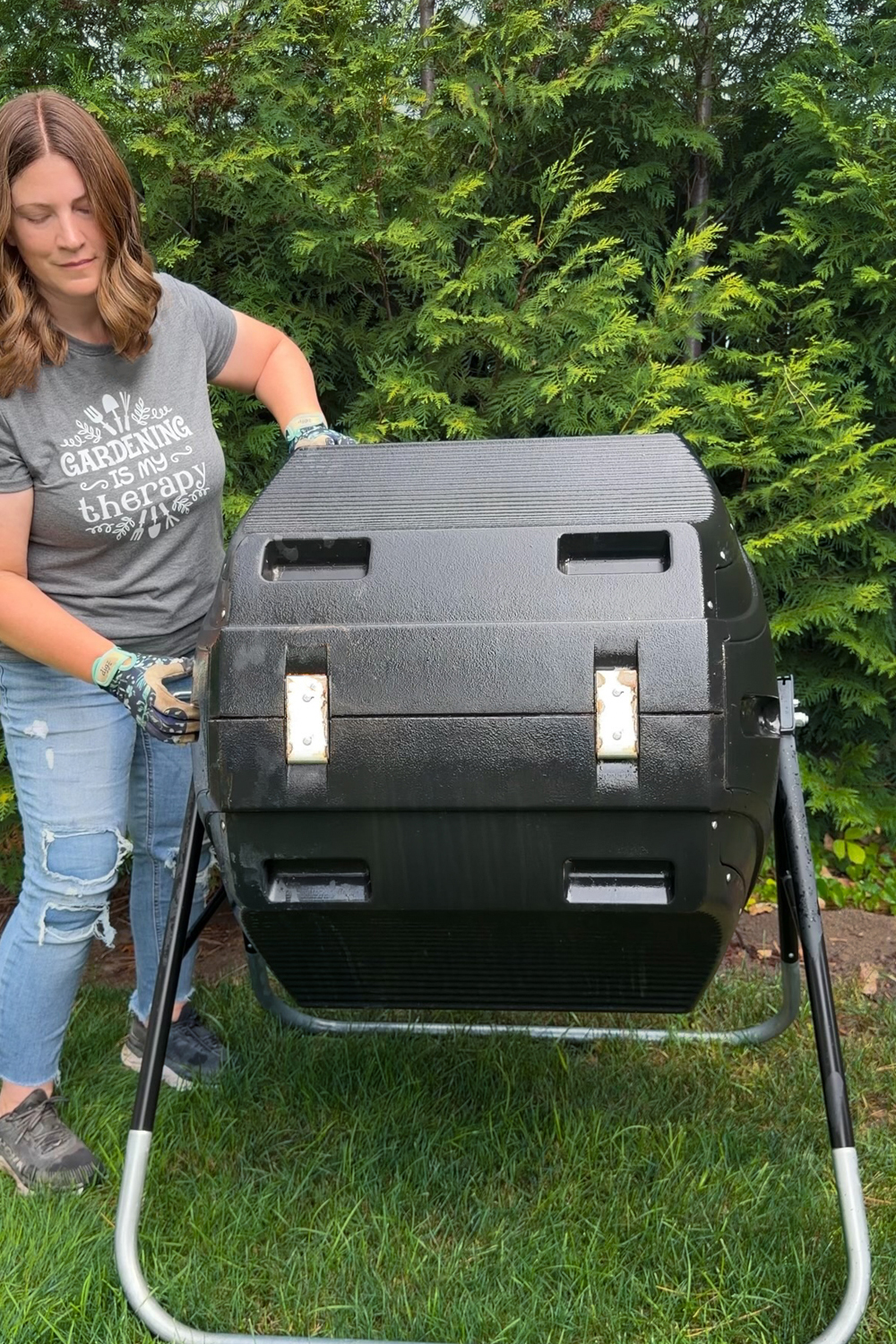
There are a lot of different ways to compost. You can simply create a pile in your yard. You can add wire fencing around it to contain it better. Build a bin out of free wood pallets. Or you can buy a ready made plastic bin.
I prefer plastic bins because they are contained and easy to rotate when it is time to turn or stir. I feel like the black plastic holds in heat and moisture better which in turn breaks things down faster.
Turning The Compost
But whatever way you choose to compost, make sure to stir or turn over your compost every 1-2 weeks. This oxygenates the compost and speeds up decomposition process.
If you have a pile, you can use a shovel or pitch fork to stir everything well.
If Your Compost Smells
Healthy compost should not have a bad odor. It should smell earthy. If your compost stinks, it means it has too much nitrogen (green waste) and not enough carbon (brown or dry waste). Add more carbon to your compost bin and give it a good stir. Keep it balanced and you won't be greeted with a foul smell when you walk in your backyard.
How I Use My Compost
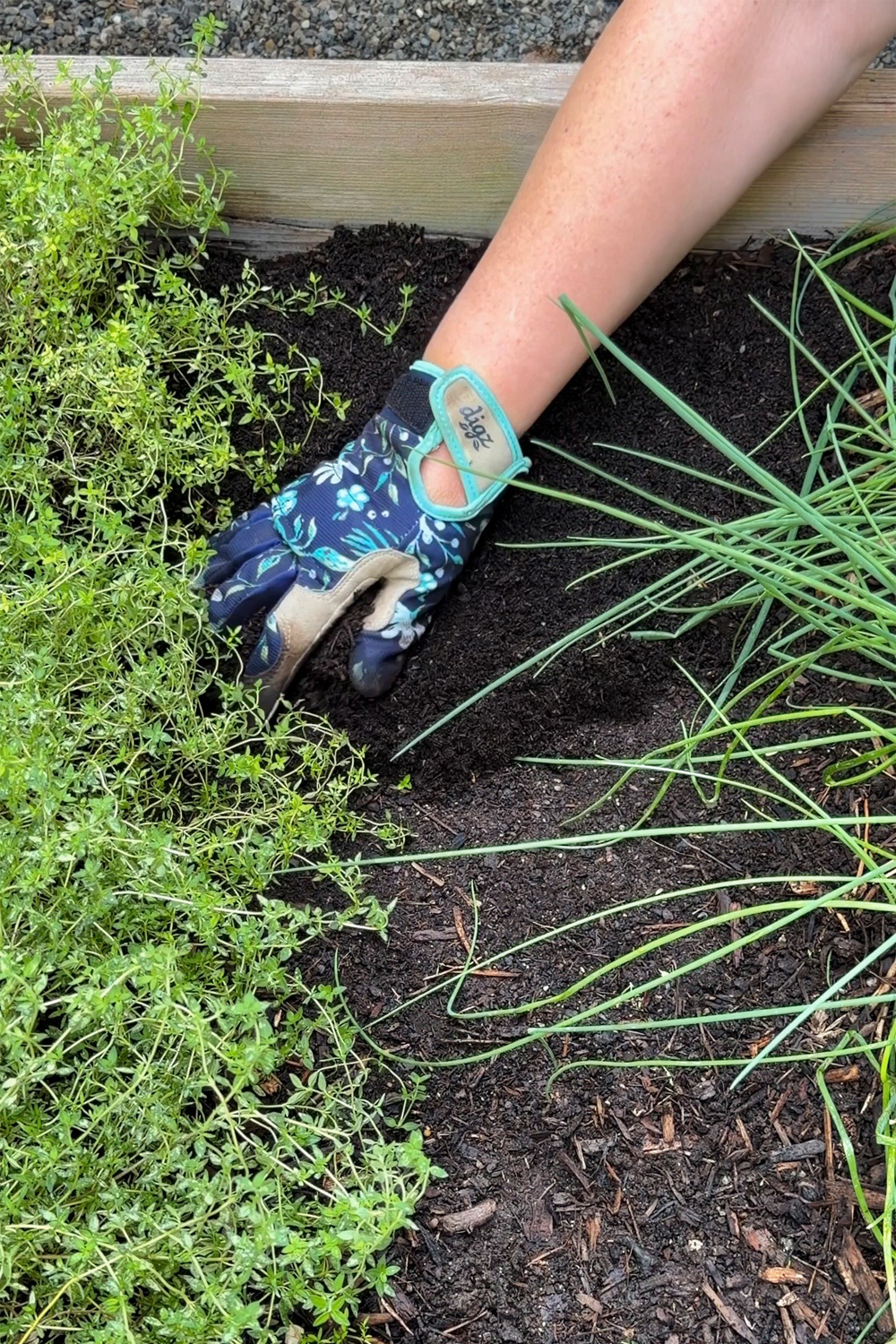
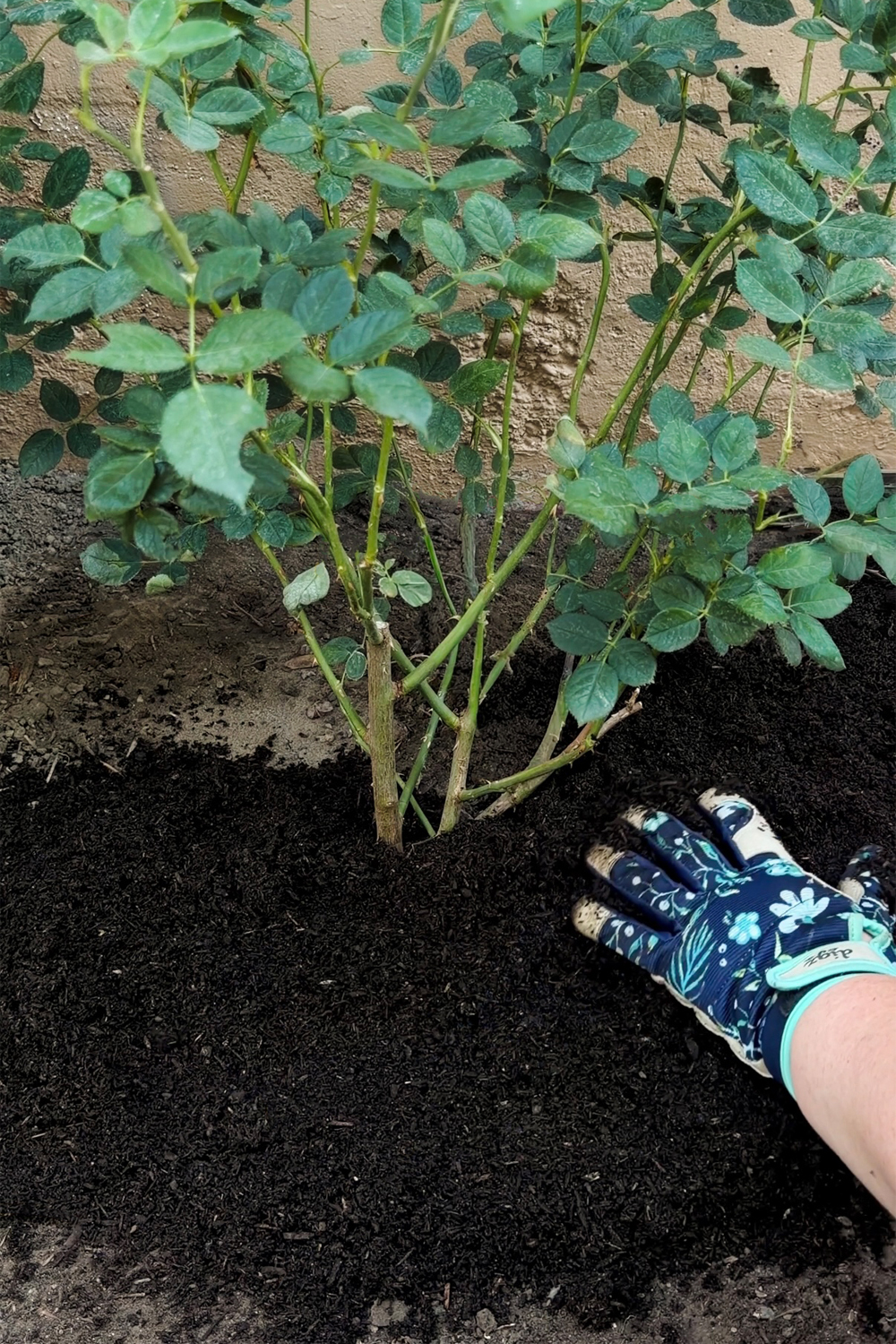
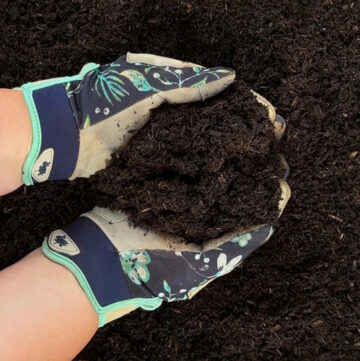
I add compost to the hole before adding a new plant or seedling. If I am planting something in a flowerbed or pot, I like to top dress the area with compost as well. You can cover your entire garden or flower bed with your garden gold. You can either leave it on top or you can work it into the soil. The nutrients will find their way down to the roots of your plants either way.
I'm curious, do you compost? If not, what is holding you back from trying? I'd love to hear about your experiences!
PIN For Later:




Comment Below!