

I don't know about you, but we have been experiencing the hottest summer in recent history which has been a bit challenging when it comes to gardening. These burning temperatures are taking a toll my garden so today I am sharing are 12 tips to help you and your garden beat the heat this summer!
This post is sponsored by Digz Gardening but all ideas and opinions are 100% my own.
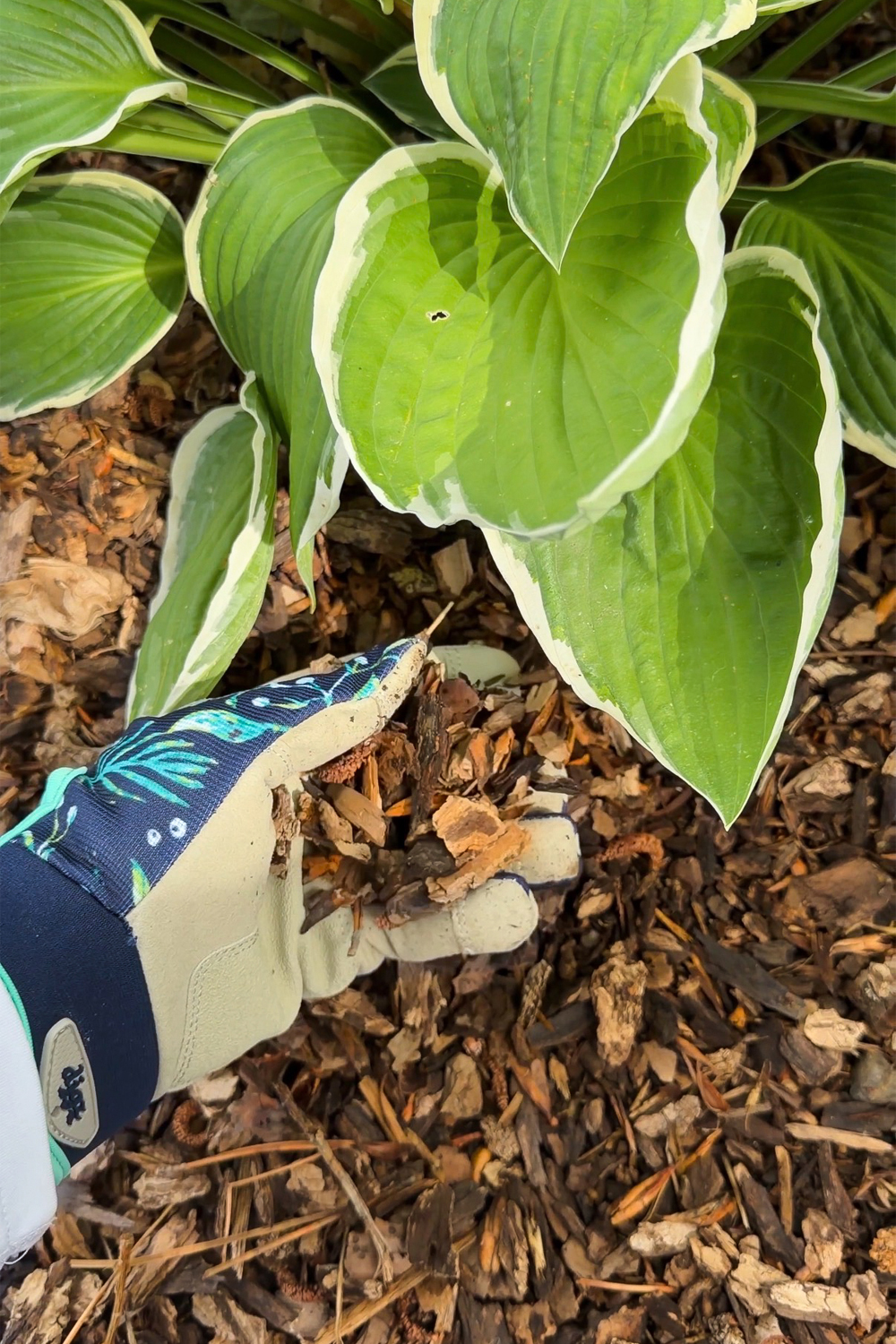
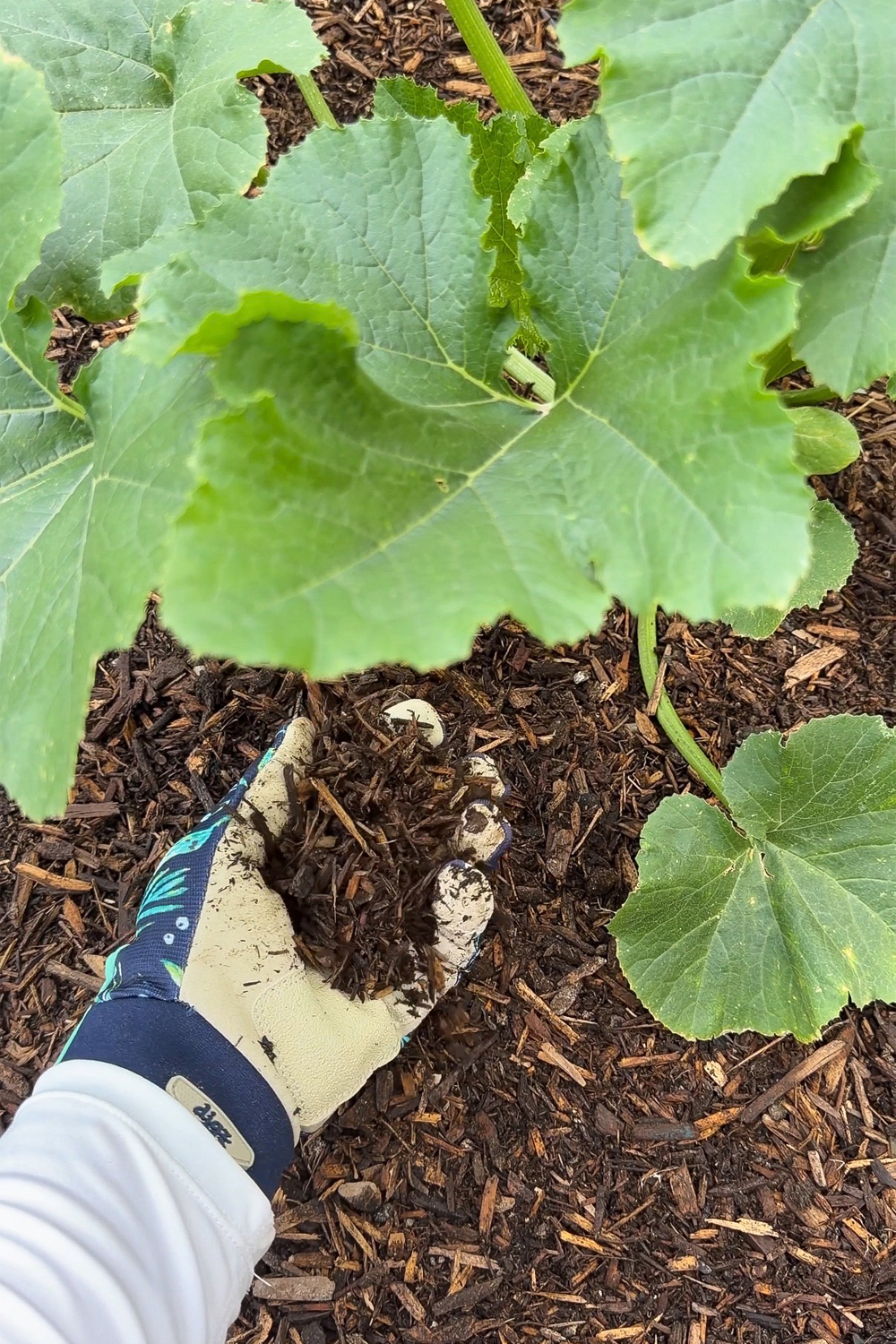
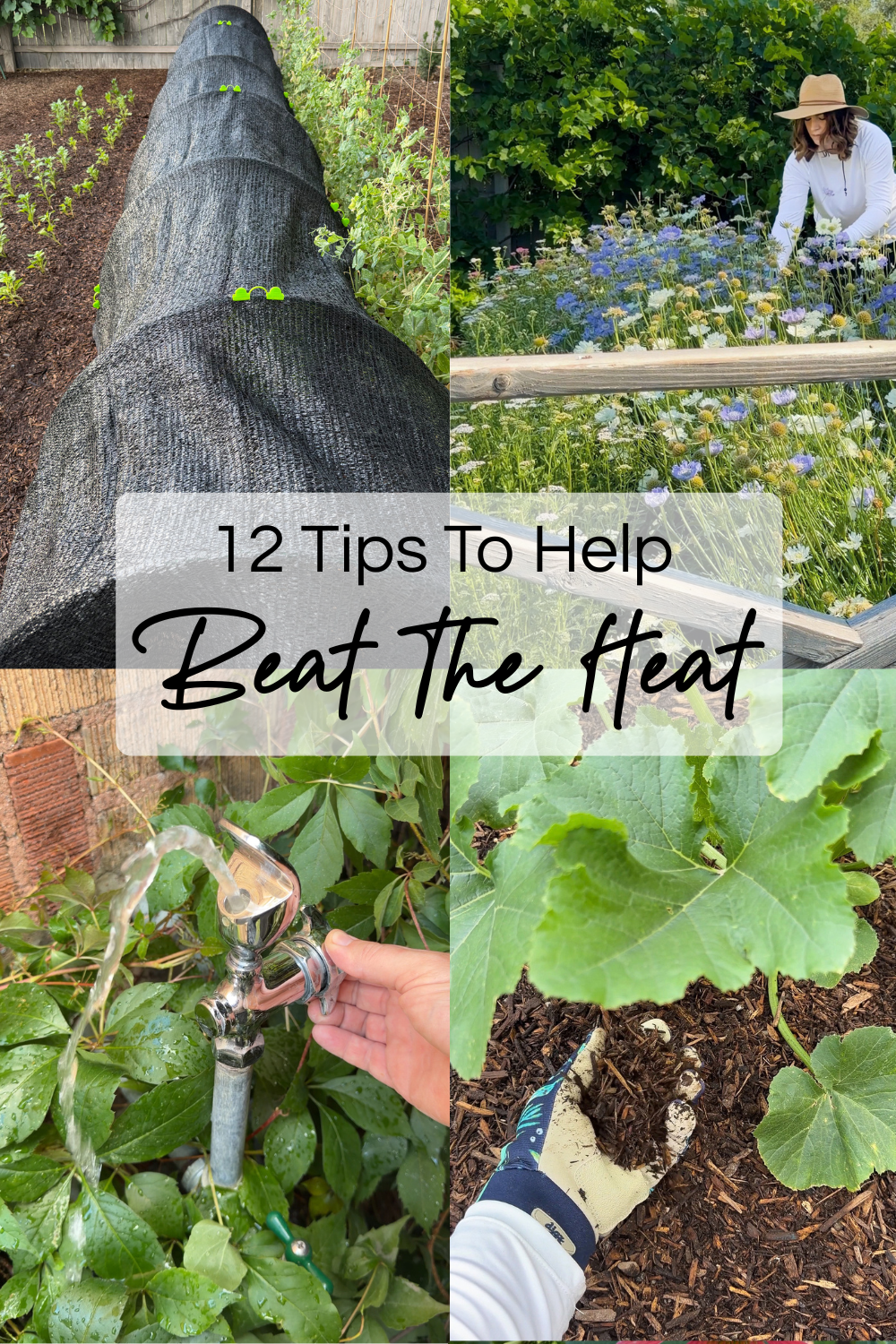
#1 Add Mulch Around Your Plants
Adding mulch around your plants shades their roots and helps them stay cooler. It retains moisture so you can water less. Mulch is also a great way to incorporate organic matter to improve the soil. And as an added bonus, it helps keep weeds at bay. So whether you use straw, bark, pine needles, wood chips, shredded leaves, or some other organic matter, adding mulch is a smart way to beat the heat.
#2 Chase The Shade
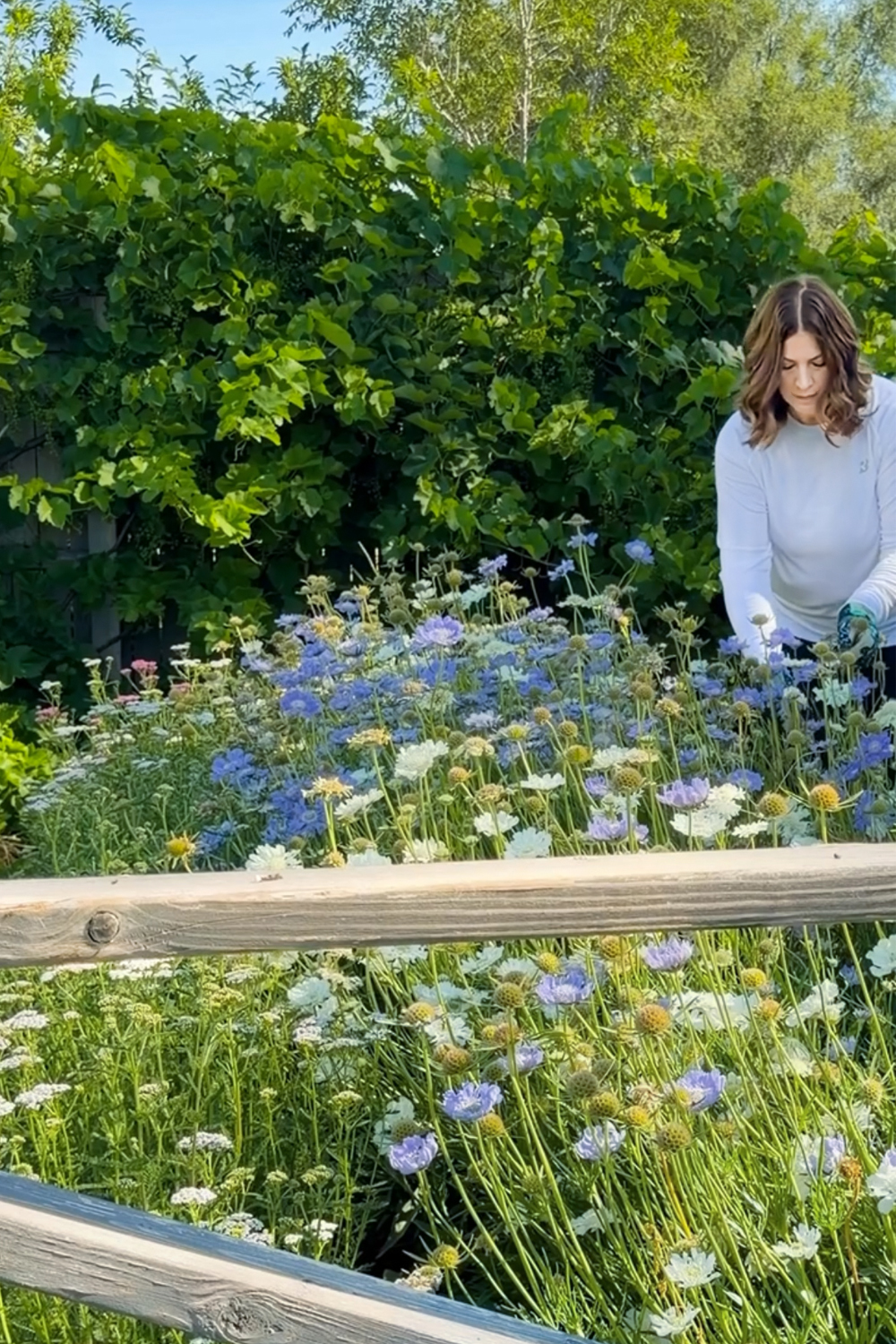
I work in the shade whenever possible. This usually means getting outside early in the morning or waiting until the evening hours. I am very familiar with where there will be shade at certain parts of the day and plan where to start based on that. The end of my garden where the artichokes are gets full sun first so I start there and move as the sun does. I end up on the opposite end of the garden closest to the house. It makes working in the yard much more pleasant!
#3 Sun Protection
While chasing the shade is the ideal, it is not always possible to only work in the shadows. When I am working in full sun I wear a sun hat to protect my face and neck from getting burned. This straw hat is my favorite. As someone who has already had to deal with skin cancer, I am extra diligent when it come to protecting my skin.
Last year I decided to start wearing UV protective shirts. I order white ones that are oversized so they are loose and it has been a game changer. I was pleasantly surprised at how much cooler they are versus regular cotton shirts. And I don't have to bother slathering sunscreen all over my arms.
#4 Cooling Cloth
When I am really hot and sweaty, I wet down a bandana or this cooling cloth from Digz and tie it around my neck. It's a trick I learned when I was in Georgia helping with a service project with Home Depot. Everyone there was doing it and so I tried it. It is shocking what a huge difference it makes!

#5 Don't Spray When It's Hot!
If you chose to use pesticides and herbicides, don't spray when it is hot. If you spray herbicides when it is above 85 degrees fahrenheit, it will vaporize and drift to other areas of your yard (or your neighbor's yard). It will cause damage and possibly kill plants you did not want to kill.
Spraying insecticides (even organic ones) while pollinators are active, will kill them. Please wait until the very early morning hours or dusk when they are not out and about.
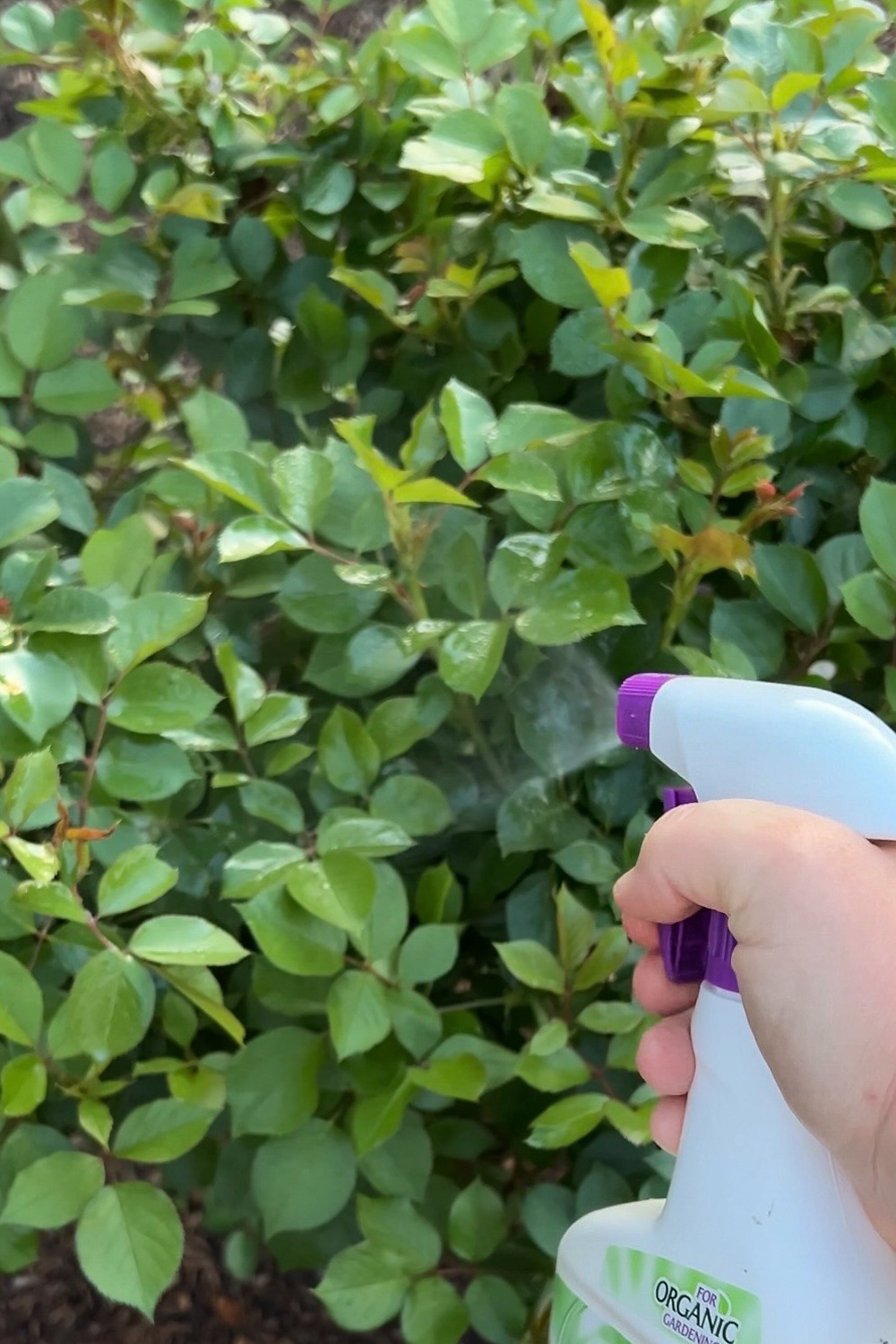
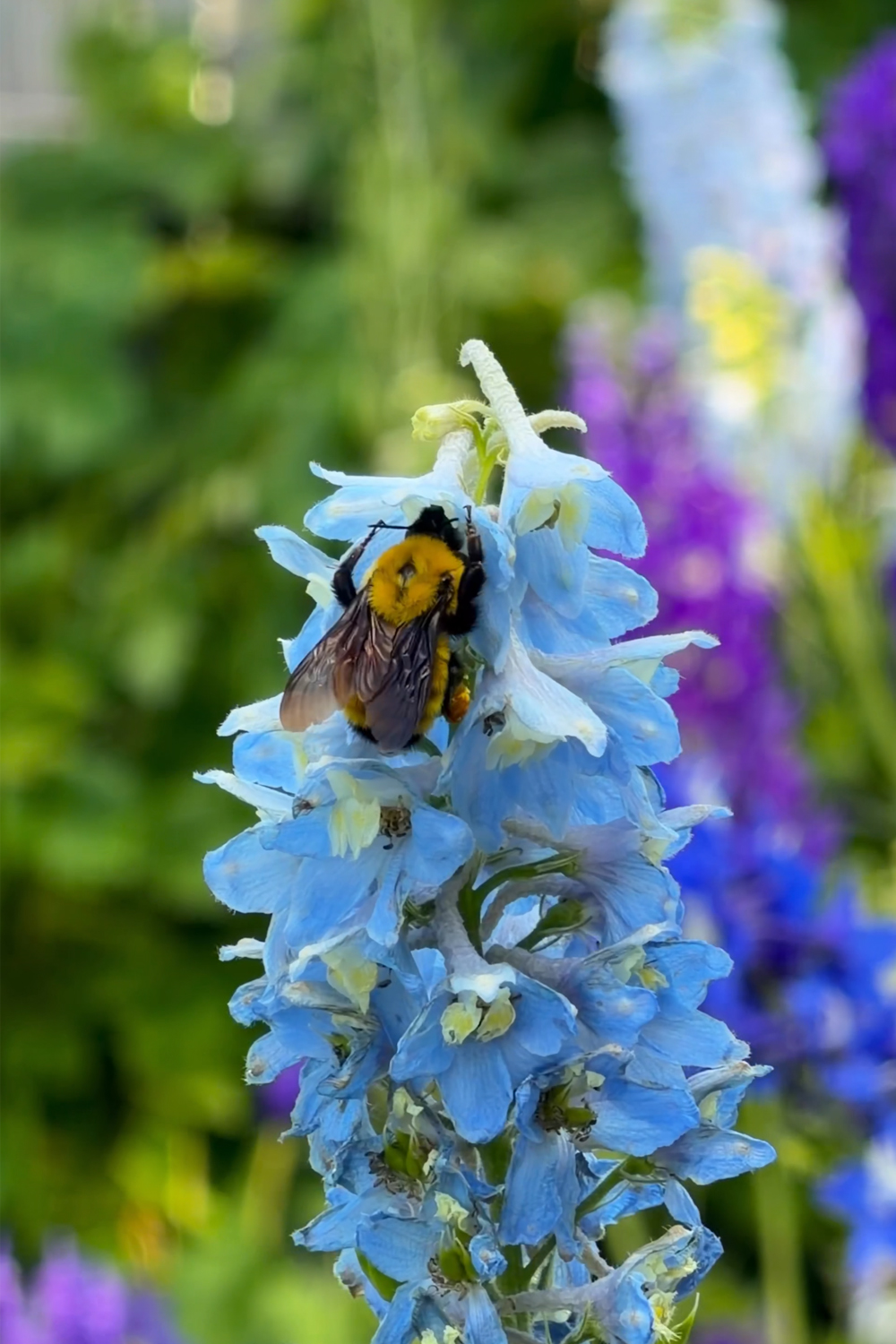
Please be responsible and read the directions if you chose to use these products :)
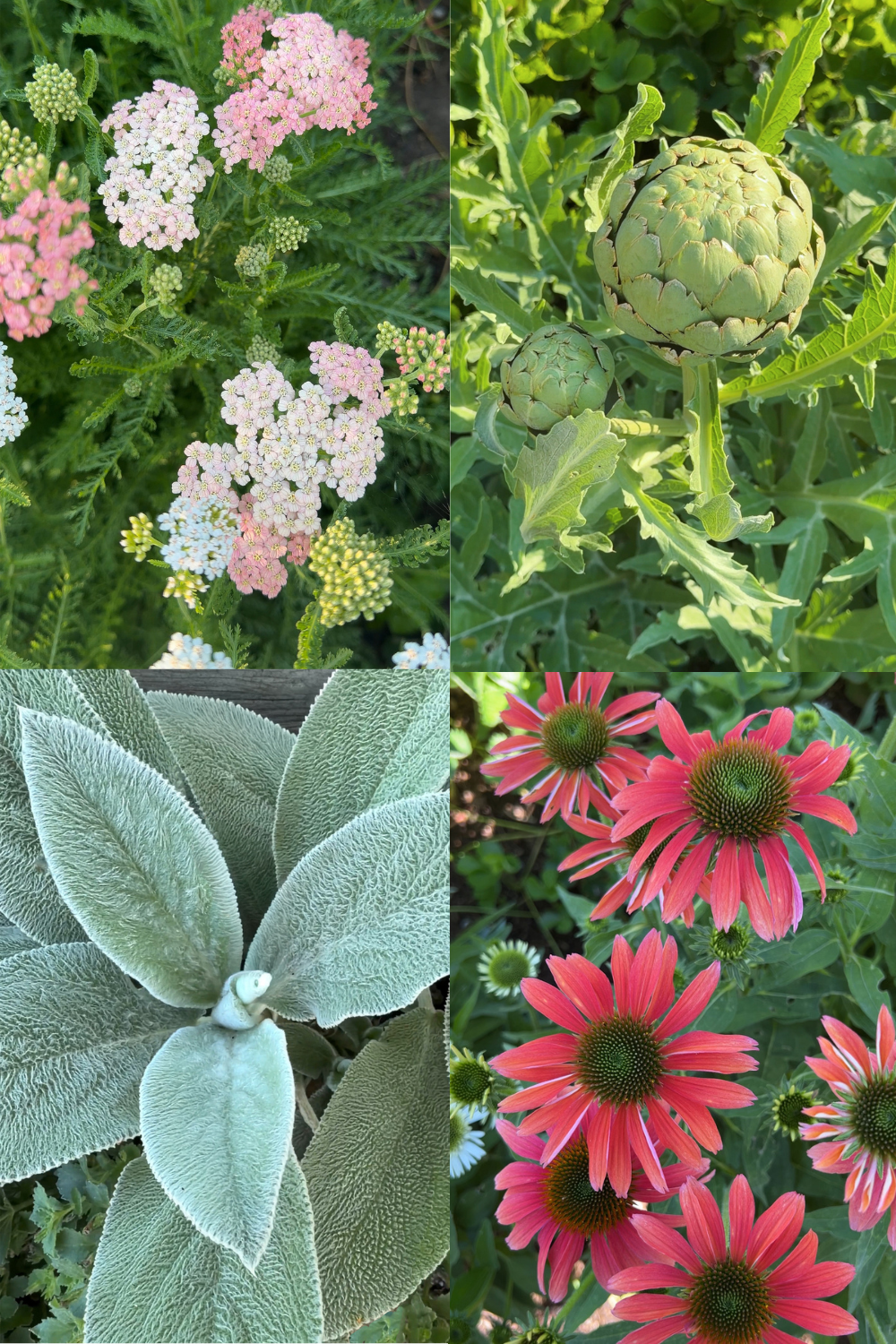
#6 Plant Heat Tolerant Plants
Plant things in your yard that can tolerate the heat. You get bonus points if they are drought tolerant too. Planting native plants means you don't have to baby them when it gets too hot, especially if you live in a place that gets hot for long periods of time. Native plants are also great for your pollinators too!
#7 Use Shade Cloth
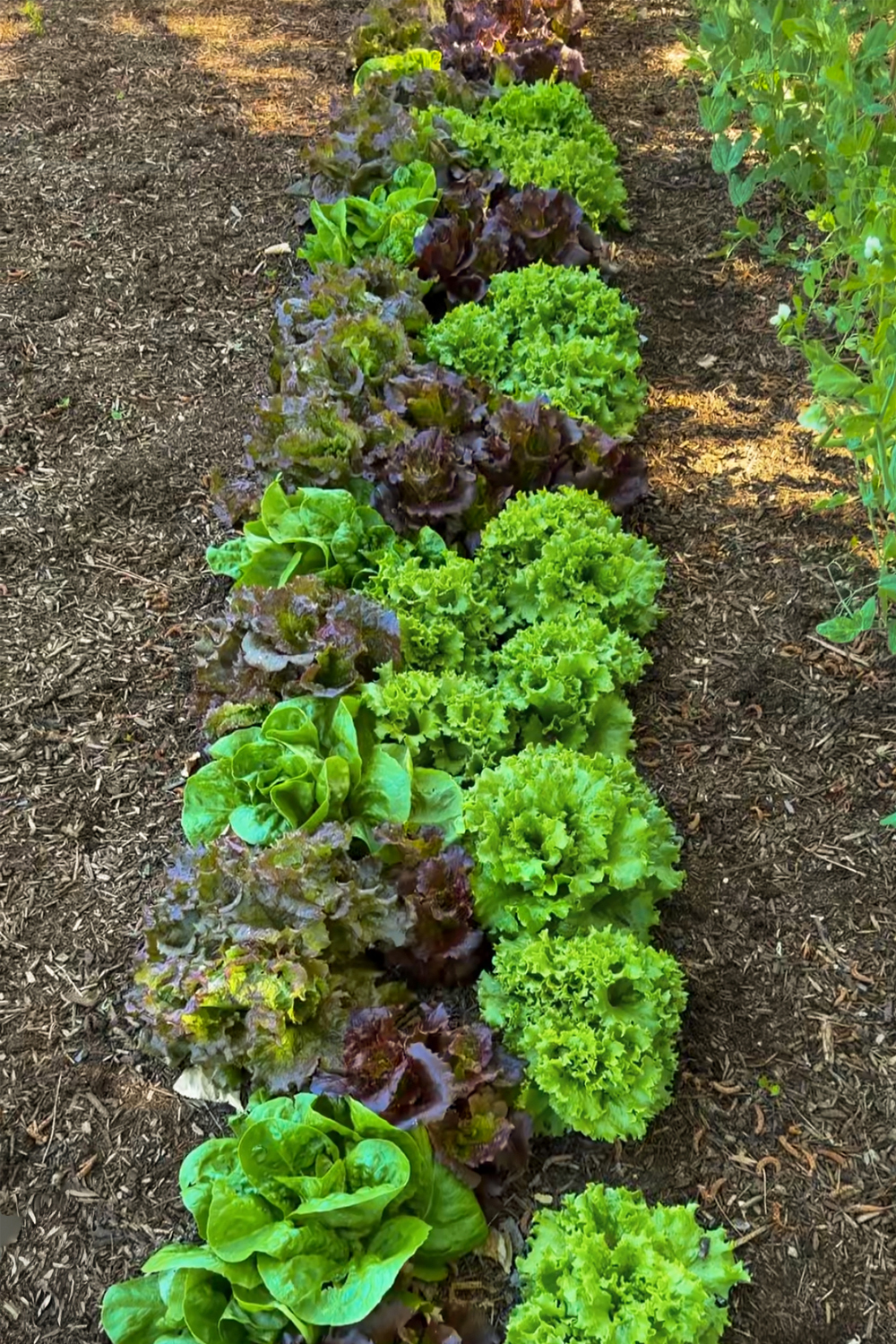
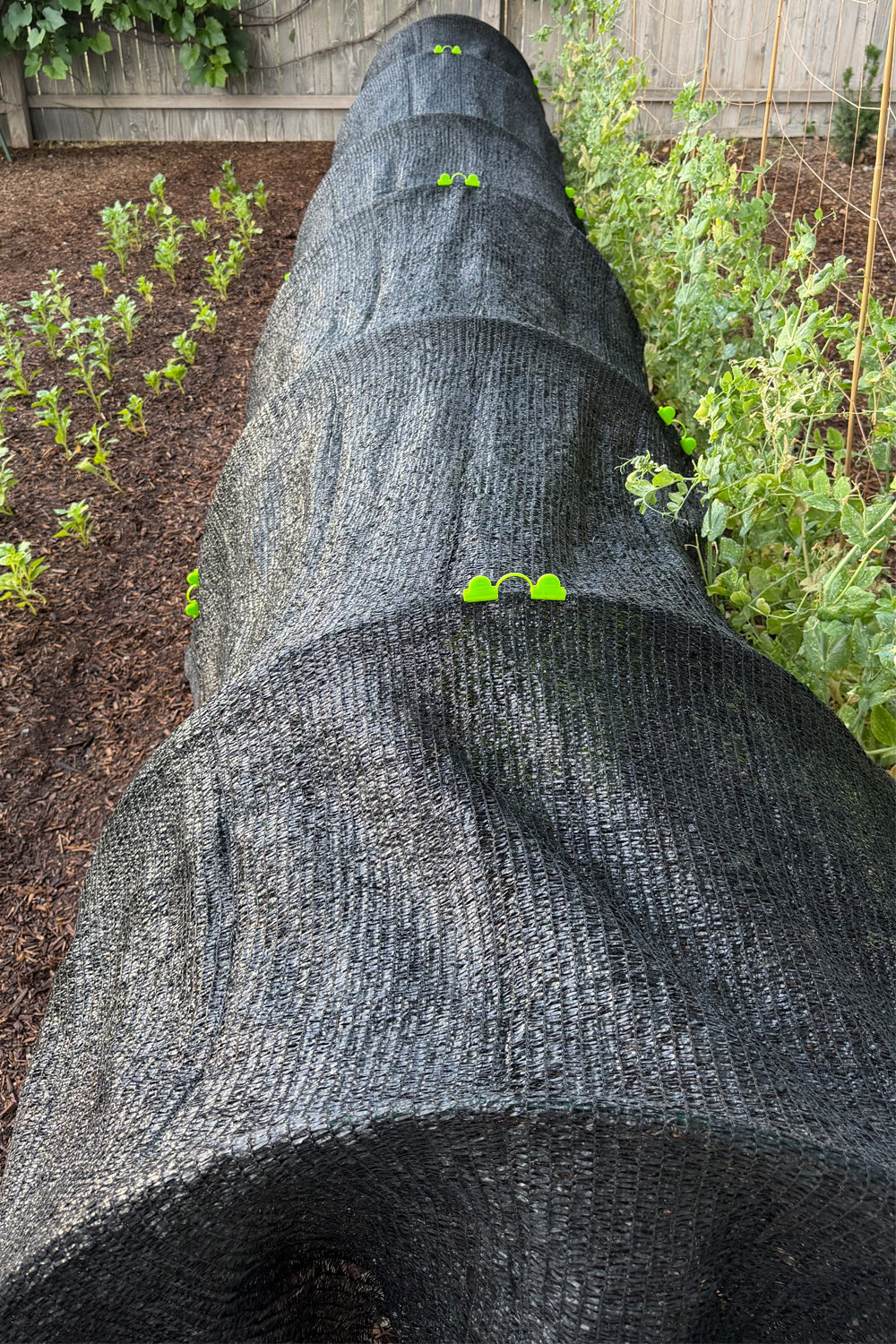
Add shade cloth to heat sensitive plants like cold crops. This shade cloth saved my lettuce from bolting during an early heat wave. If you see any plants struggling and burning up from the heat, adding shade cloth can be a life saver!
#8 Pay Attention To New Plants
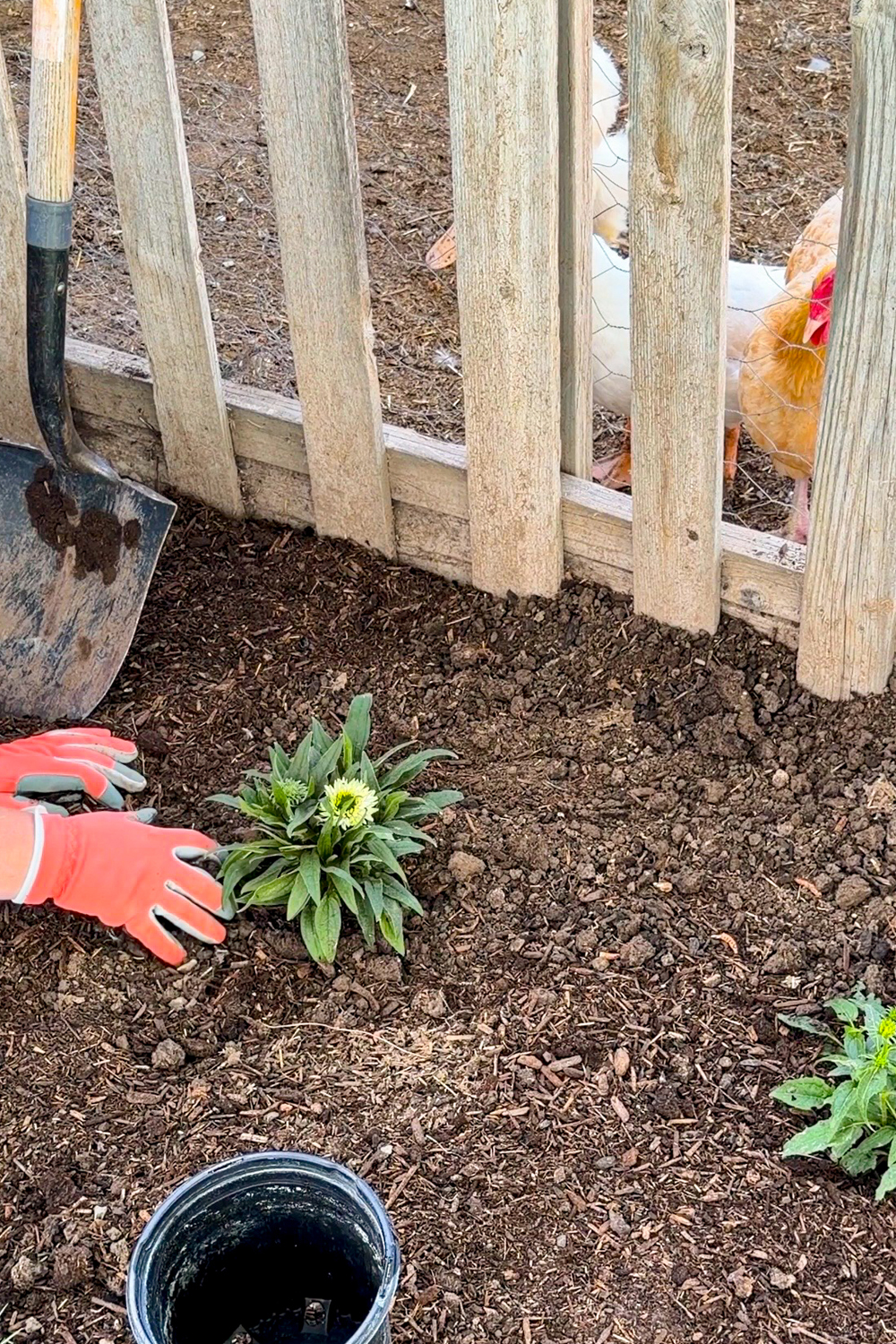
Pay attention to the things that have been newly planted. Even the heat tolerant and drought tolerant ones. It can take up to 3 years for a perennial, tree, or bush to fully establish their roots. They will need a little extra water until then.
#9 Harvest In The Morning
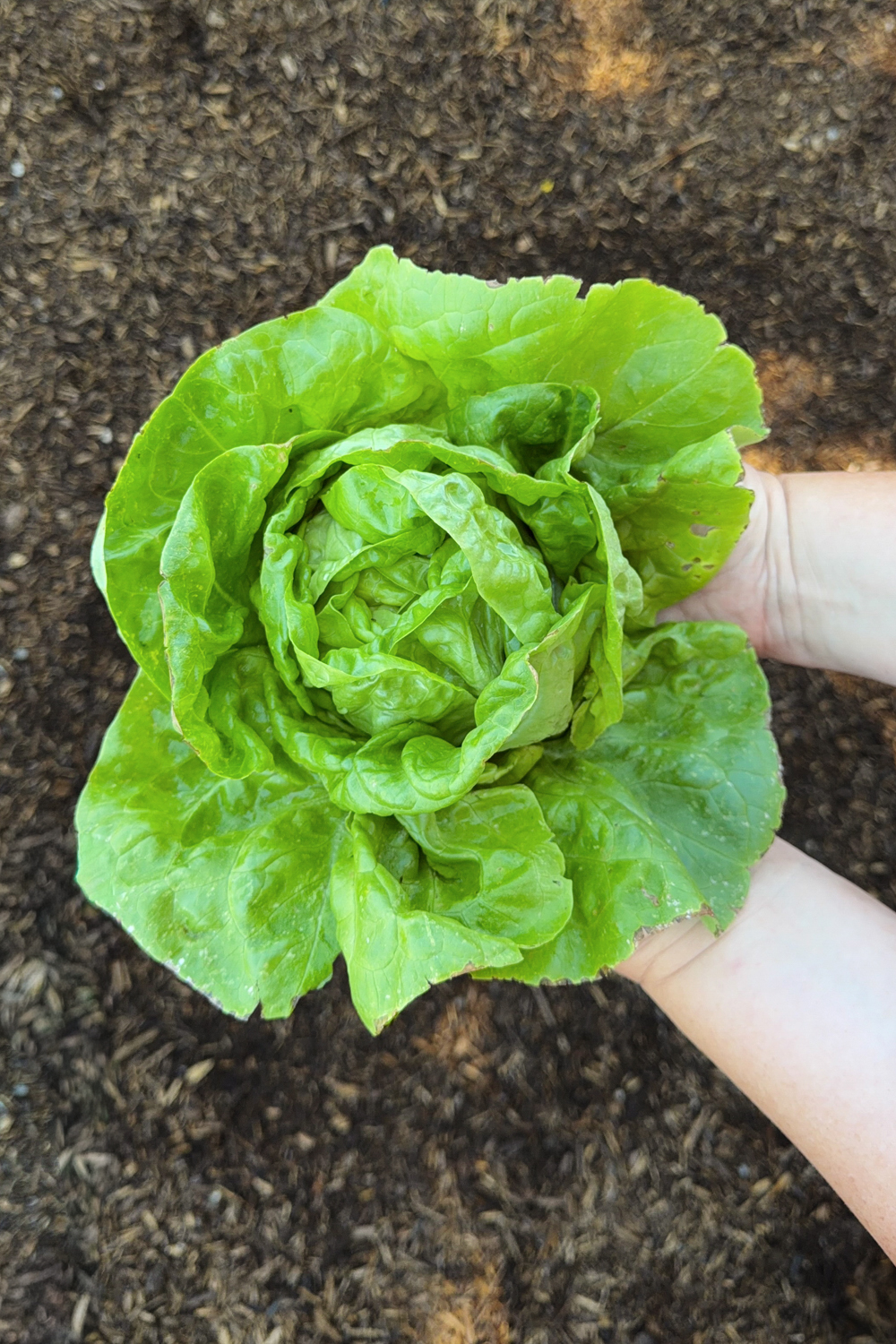
Avoid harvesting fruits, vegetables, herbs, and flowers in the heat. It is best to gather them in the morning when their moisture content is the highest. It will ensure the longest shelf life for your produce. The heat can wilt things and reduce the sugar content. So for a sweet, crisp harvest, pick in the morning!
#10 Don't Transplant In The Heat
It is best to wait until the spring or fall to transplant. Digging up and moving an existing plant is already very stressful for it. The plant will go into shock a bit until it can get established. But in the heat of summer, it can be a death sentence. If at all possible, wait until a cooler season. Otherwise you will waste water trying to keep it alive.
If circumstances don't allow you to wait, like you are moving and want to take some things with you, consider planting them in a pot temporarily so you can control the amount of shade they have. You could also keep it inside until the weather cools.
#11 Hold Off On Pruning
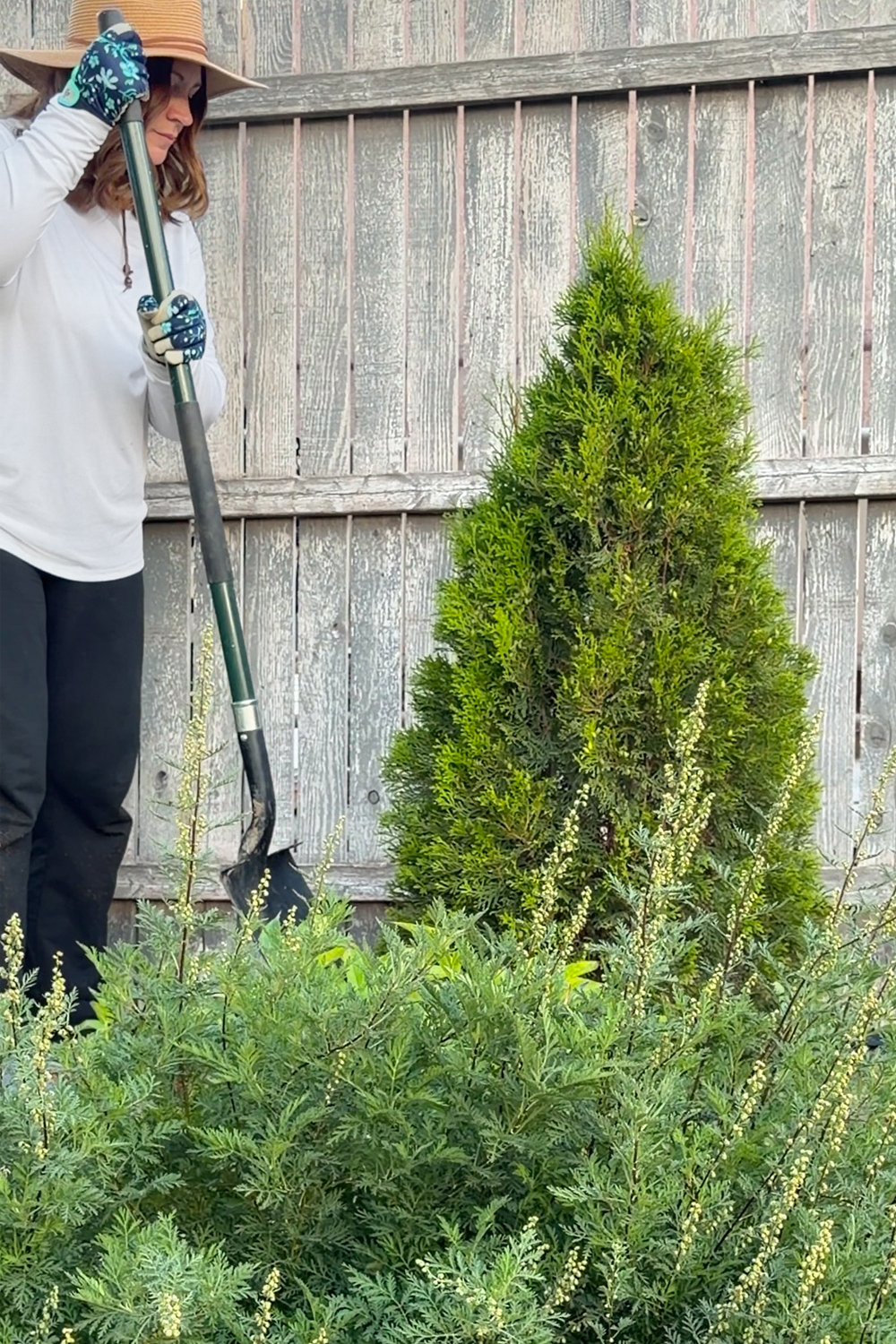
Summer is not the ideal time for pruning. When you cut a tree, bush, or perennial, it will trigger new growth which may be too sensitive to survive a heat wave.
#12 Stay Hydrated
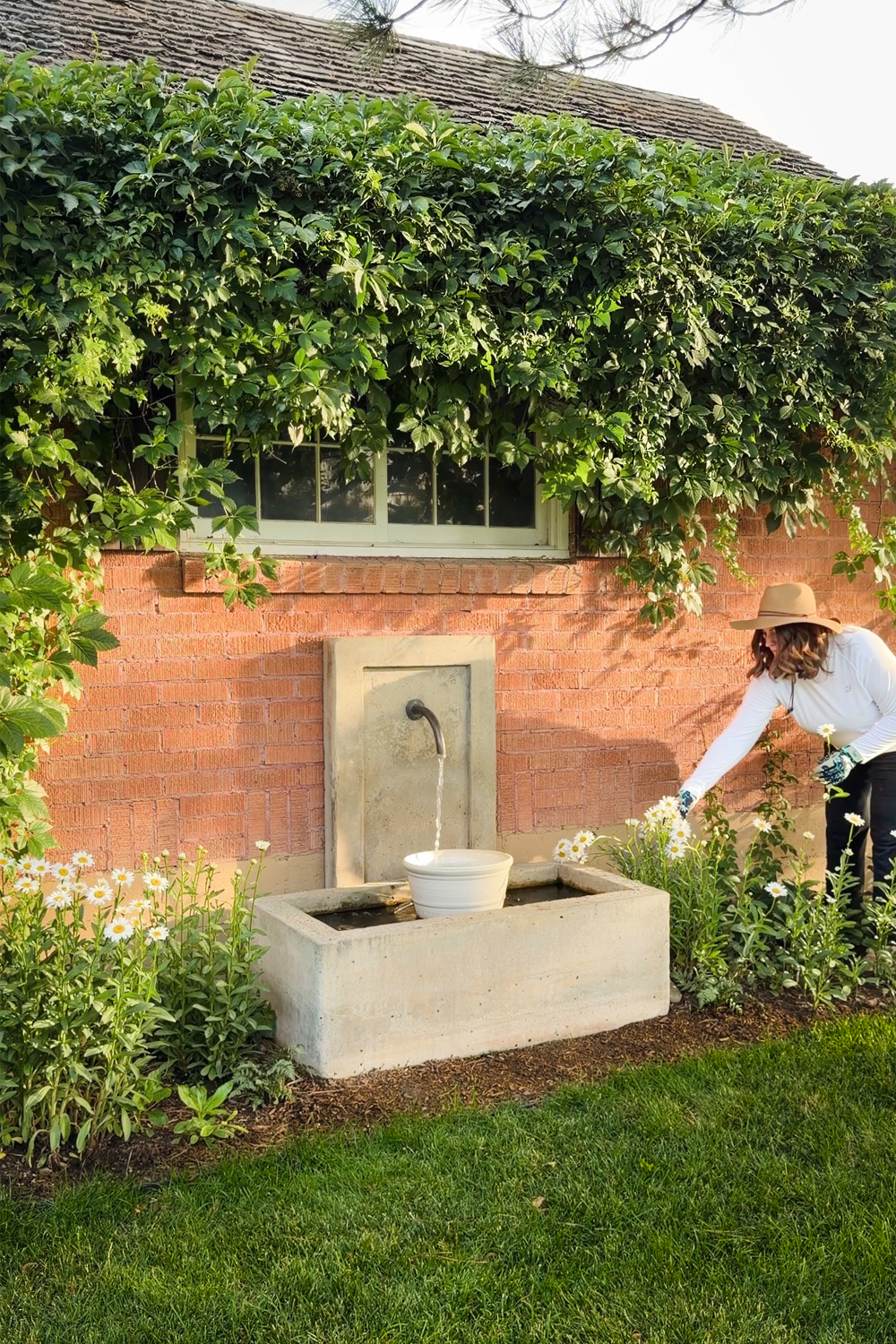
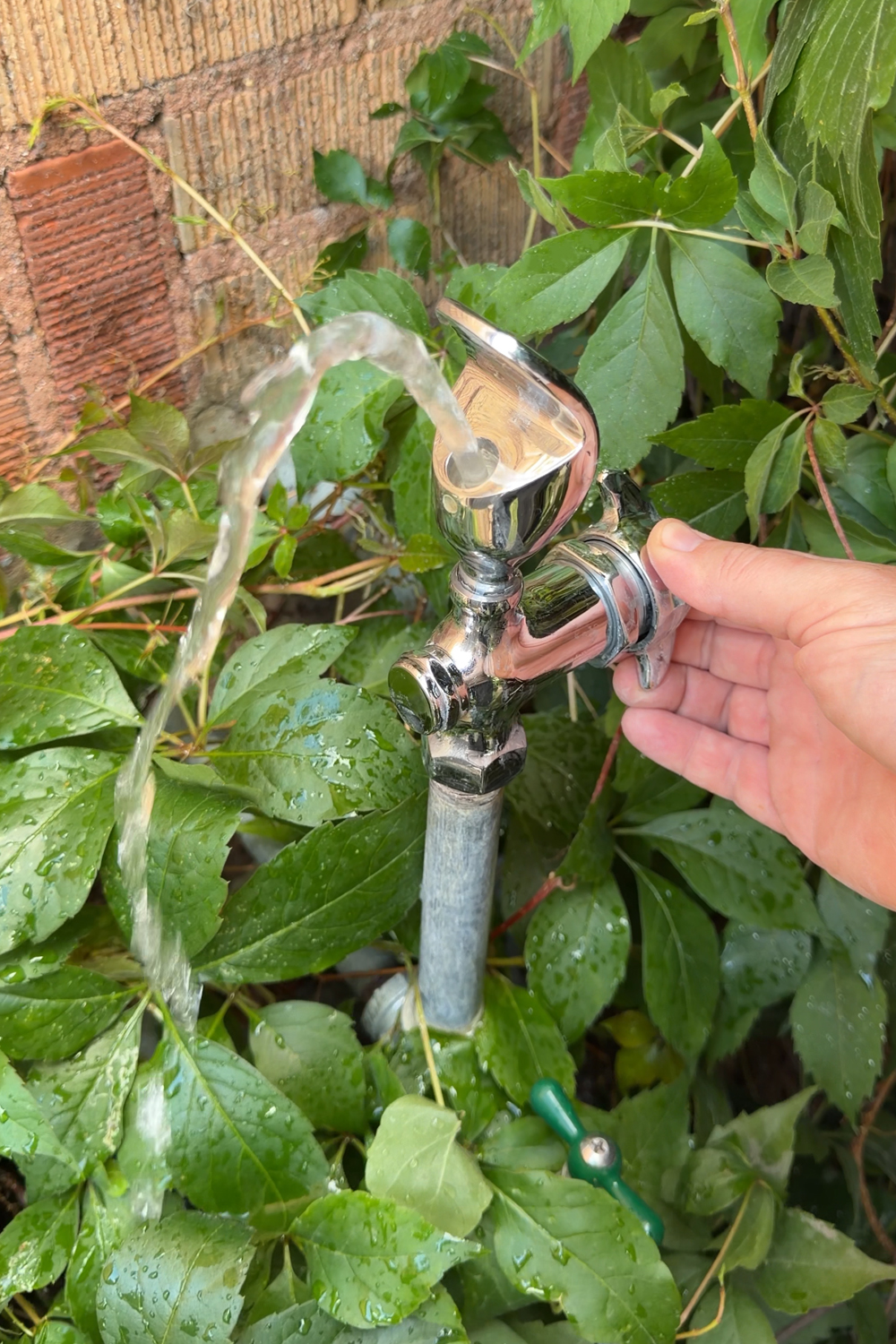
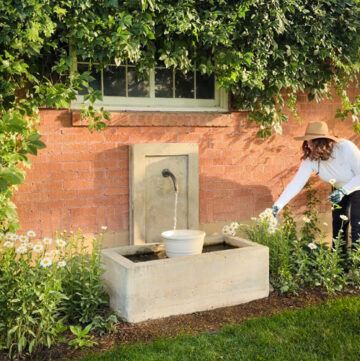
It is really easy for me to be so focused on my tasks that I forget to drink water regularly. But it is especially important to stay hydrated when you are working outside, especially in the heat! We installed a drinking fountain on the back of our house that is connected to our culinary water. I'm not good at carrying around a water bottle so this is perfect for me.
Choose something that works for you so you make sure and stay hydrated.
You can still enjoy gardening in the heat, you just need to be smart with how you go about it. You and your garden will be healthy and happy even in the hottest part of the year with these 12 tips to beat the heat!
And for more gardening tips check out these posts!
PIN For Later:




Stacy, your tips are incredibly practical for maintaining a healthy garden in the summer heat! I'm curious, have you noticed any particular strategies that work better for different types of plants? Also, how do you think climate change is influencing gardening practices like these? It’s fascinating to see how our choices can impact not just our gardens but also the broader ecosystem. Thank you for sharing your insights! strands hint today
Thank you, Stacy, for your advice on how to keep gardens flourishing throughout the summer heat. The significance of choosing native plants that can tolerate our local climate is one viewpoint I'd like to express. They improve biodiversity in our gardens by supporting local fauna soccer random and requiring less watering.