

Snake plants are one of the most popular houseplants and are known for being one of the easiest plants. They are often referred to a beginner plant. But just because it is "easy" or "hard to kill" doesn't mean than you don't have to do anything for your plant. You still need to know a bit about snake plants for them to thrive long term. So here is my guide to how to care for snake plants.

Snake Plant Care
Snake plants (sansevieria) are sometimes referred to as Mother-In-Law's Tongue. They have a unique, upright spiky growth habit that really adds interest to your space! There are lots of different snake plant varieties too! There are snake plants that are variegated, twisted, smaller, and some with rounded cylindrical leaves. Here are some common questions about growing and caring for snake plants.


How Much Light Does A Snake Plant Need?
Part of why this plant gets labeled as "easy" is because snake plants can tolerate low-light conditions. But low light doesn't mean NO light. Don't place it in a bathroom that doesn't have a window or stick it in a closet. Just because it can handle a low amount of light, doesn't mean it will thrive there. They do like sun. Snake plants can handle up to 10 hour of indirect light a day. So if it is in low light conditions, maybe move it to a sunnier location every once in awhile.

Indirect sunlight is best for most houseplants. Direct sunlight (if the sun is directly on the plant) the leaves can burn and form brown spots.
Make sure to dust your healthy leaves so they can better take advantage of the sun without the dust blocking it or clogging the plant's pores. Take a clean, damp cloth and wipe the dust off each snake plant leaf.
What Kind Of Soil Do Snake Plants Need?
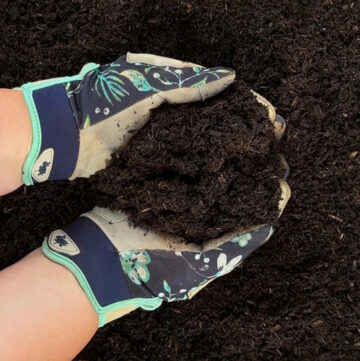
Snake plants are succulents so they need a well-draining soil mix. Soil type is important! Use a chunky soil or potting mix that allows for good drainage and not one primarily made of moisture retaining material. Many potting soils, even the ones labeled for houseplants, hold on to water. Look for soils that say "cactus" or "succulent" on the bag.

How Much Do You Water A Snake Plant?
Because it is a succulent, the soil needs to dry out completely before you water again. Be weary of watering on a set watering schedule. I set reminders weekly to CHECK my houseplants and only water those that need it. You can stick a moisture meter or a kabob stick in the soil to see how far down the soil is dry.

Make sure that the pot your snake plant is growing in has at least one drainage hole. More drainage holes are better. Soggy soil will lead to root rot.
When & How Do You Repot A Snake Plant?
Snake plants like to be snug in their pot. They don't need to be repotted often. Wait until you see roots coming out the bottom of the pot or when the roots start to circle the pot.

You can either loosen the roots a bit and re-pot in a pot that is ONE pot size bigger, or you can remove some of the pups and replant in the current pot it was in before.
Again, make sure the pots you are choosing have a drainage hole. If you have a container you want to use that doesn't have a drainage hole, either drill a drainage hole or use it as a catch pot.

A catch pot is where the plant is growing in either a growers plastic pot in came in or another pot with holes and then you place it in a pot without drainage. It is a good idea to remove the plant from the catch pot to water and when it has finished draining, put it back in the catch pot.
Why Is My Snake Plant Turning Yellow?
This is a bit of a tricky question because there are multiple possible causes for yellow leaves. The most common reason is over watering. But it can also happen if the plant was exposed to extreme sudden changes in temperatures. Or if it is one or two of the snake plant's leaves only, it could be just because those are older leaves and ready to die, which it okay and normal. And every once in a while it can also mean under watering or a nutrient deficiency.
But let's address the most prevalent reason for yellowing leaves, over watering. If a snake plant has soggy soil that isn't allowed to fully dry out between waterings, it can lead to root rot. Sometimes the leaves don't turn yellow but instead start to fall over due to excess water and poor drainage.
On the flipside, don't give it less water when you DO water it. People often confuse the term "overwatering". Overwatering doesn't mean how much water you give the plant when watering. Instead, it means how OFTEN you water. If you are watering TOO OFTEN that means it is overwatered. When the soil has dried out 100%, pour water until it runs out the drainage holes in the bottom. Then leave it alone until it dried out completely again.
If the sword-like leaves start to look shriveled, it means it is not getting enough water. Simply water it and it should perk up.

Can you save a snake plant with root rot? YES! As long as there are some healthy roots left. You will need to remove the soil and throw it away. Rinse the roots well and use sterilized clippers to cut off any rotted parts.

Spray some watered down hydrogen peroxide onto the roots and then replant it in clean fresh soil. Give it some time to grow new, healthy roots.
How Do You Propagate A Snake Plant?
Do you want more snake plants? Here are how to make new plants to increase your snake plant collection :)
Propagating Snake Plants In Water
One way to propagate snake plants is to cut the top part of a leaf and add it to water. You can cut the snake plant leaves straight across or you can cut a notch in the bottom. I have always done a straight cut but I think the reason for the notch is it creates more surface area for roots to grow.

Water propagation for snake plants takes time. It typically takes 2-4 months. Make sure to check the water level in your container periodically and refresh when needed or the leaf cuttings will dry out. You will not only get new roots, but new growth as well. Look at the tiny leaves on this cutting!

*Something to Note: The plant that grows from a cutting will always revert back to a basic green color snake plant. So if you have a variegated type and want the new plant to look like the parent plant, you will need to divide. See below.
Propagating Snake Plants In Soil
Another way to do snake plant propagation is to take cuttings and plant them directly in soil. Soil propagation will also take 2-4 months but the drawback is that you can't see if roots are developing. Be patient! If you cutting looks healthy, chances are its working on growing a root system.
Propagating Snake Plants By Division
Snake plants grow new little "pups" which can sometimes cause it to seem like it is going to burst out of the pot.

You can pot it up in a larger pot or remove the new pups. Take the plant out of the pot and use your fingers to feel around for where the pup is connected to the mother plant. Use clippers or a sharp knife to make a clean cut and remove it.

You can now pot up the baby in some new soil and a new pot. This is the fastest and easiest way to create a new mature plant. You can keep it or share and find it a new home.

Conclusion
Snake plants really are a good choice for indoor plants. For the most part they are very low maintenance. I almost hate that snake plants have a reputation of being "impossible to kill" because any plant is easy to kill if you don't know how to care for it. Some may take longer than others to die so maybe that is where this is coming from. Please don't feel bad if you have ever killed one. Don't let it stop you from trying again with this, or any other kind of plant. All you need is more knowledge to be able to give you plant the proper care.






Great info, thanks!