

Getting your yard and garden ready for winter is more than just raking your leaves. There are lots of essential chores you need to do to ensure your plants are not only protected from the winter elements, but also set up for a successful spring. Here is my complete checklist for putting you garden and yard to bed for winter so you can have healthy plants next year!
This post is sponsored by Digz Gardening but all thoughts are 100% my own.

Protect Tender Perennials
We have some things in our yard, like artichokes, that are normally treated as an annual in our zone 6 area. But with some extra care, can be winterized and they will make a comeback in the spring. Normally we cover them with a bunch of leaves and then place a tarp over them. But this year I decided to try a low tunnel, or hoop house. I am covering my craspedia (Billy Ball) flowers and I am excited to see how they do. I typically get 75% of them to come back each year with the leaves and tarp method so I am hoping to increase that number with the low tunnel. Hopefully it can keep the air temperatures, and more importantly, the soil temperatures warm enough. But if you don't want to go to the effort of creating a low tunnel the leaves and regular tarp has worked great for me for years. Just make sure to weigh down the tarp with pavers or rocks so it doesn't blow away.


Protecting tender perennials like this is beneficial because it not only saves you money from having to replace them each year, but it also means the plant will get bigger and produce more year after year. You can see the plants I started this year (to replaces ones that didn't over winter) are so much smaller than the ones that are 4 years old.

Plant Bulbs
Fall is a great time to plant bulbs for blooms the next year. There are fall planted bulbs and spring planted bulbs. Examples of spring planted bulbs are things like dahlias and canna lily which bloom in the summer. Fall planted bulbs are things like daffodils, hyacinth, and tulips and they bloom in the spring. So if you want a splash of color all through the spring, plant those bulbs now!

I created a new flower bed in the front yard and wanted to add some tulips. Since I had 100 bulbs for a relatively small bed, I just dug a trench instead of individual holes.
Clean and Drain Water Features
We have a fountain that we enjoy most of the year, but we will drain and clean it in the late fall when temperatures start to drop dramatically. There have been times when we haven't taken the time to empty it and we always regret it come spring. It is a slimy, stinky mess! It is a good idea to cover it with plastic as well.

We actually have a few fish that live in the fountain so they get moved to a giant plastic tote in our garage for a few months. They will actually hibernate. We don't feed them and they look like they are just suspended there floating. As it warms up in the spring, they will wake up and start swimming again. Then it's time to move them back out! If we had a pond or fountain that was deeper than 2 feet, we could probably keep them outside. But if our fountain isn't drained, it will completely freeze solid.
Protect Outdoor Animals
Our coop area for our chickens, ducks, and bunnies is like it's own little climate since it is up against our brick garage and the neighbors shed on the other side of the fence. It also faces south. So they stay pretty warm. You may need consider a heat lamp in your coop if the temperatures are too cold. We do spread a fresh layer of straw on the ground though. This extra thick layer prevents it from getting muddy which keeps the animals cleaner and more comfortable. Except our naughty ducks. They always manage to find some mud!


Weed
If you have any weeds that you didn't get pulled during the summer, now is the time to take care of them before they go to seed. Weed roots will also continue to grow during the winter months so to prevent them from becoming a bigger problem in the spring, the best time to get rid of them now! Weed control starts in the fall.

Skip The Pruning, Except...
Pruning is best left for late winter and early spring since it encourages new growth which you don't want to do during cold weather and right before the first freeze. There are some exceptions however like if there are damaged or diseased branches that need to come off for the overall health of the plant. Also, roses can send up these octopus like canes in the late summer or early fall. These tall canes can be trimmed down to the height of the bush to prevent them from breaking off with heavy snowfall or wind during the winter.


Sprinklers & Hoses
To prevent any damage from freezing and expanding pipes, make sure to turn off your irrigation water valve and blow out your sprinklers. Your spring will be so much nicer if you don't have to dig up pipes and make repairs! Also remove and hoses from exterior spigots and put them away for the winter.

Harvest Your Garden
I am sure you have been harvesting throughout the summer but now is the time to gather anything that is left out there. Usually the last things I collect from the garden are my winter squash and carrots. Winter squash will store longer if you let them sit in the sun so it will harden their skins. I wrote a blog post all about storing squash you can read HERE.

Carrots will taste sweeter and be even crispier if you wait to harvest them after the first frost. There have been some years I have even left some of my carrots in the ground through the early winter months.


As far as herbs go, if they are annual herbs like basil, parsley, or dill, I pull the whole plant since it will not survive the winter or come back the next spring. But for perennial herbs, I cut them back a bit. Things like lemon balm and mint are collected and dried for tea. Other herbs are also dried and stored in jars for cooking.

I will rake up the leaves that are on the pea gravel. But I leave the others in the garden boxes since I have beneficial bugs like ladybugs that overwinter in the garden boxes. I even found some praying mantis eggs in a couple of spots as I was cutting herbs.
Garden Clean Up
After harvesting everything edible from your garden, it is time to clear out the dead plants. Now while I am a big believer in leaving flowerbeds alone for beneficial bugs to hibernate, it is important to clear the garden beds out of the dead vines and other plants especially if things like squash bugs and powdery mildew were a problem. You don't want those things living in your garden all winter. Add the dead plants that are disease and fungus free to your compost pile or to your local landfill. Most city landfills will create their own compost piles with the green waste.
I also store any tomato cages or trellises in the garage until the following spring.
Preparing Your Soil
Once you garden is cleared of the dead plants, you can loosen the soil. After being walked on all season the soil is pretty compacted. Especially if you have heavy clay soil like we do. I have been experimenting with the "no-till" method of gardening for 4 years now. That could be a whole post on its own! Basically the thinking behind it is that it's better for soil health to not completely turn over the soil. It keeps all the microorganisms from being disrupted.
But I tilled for years and years and still had a great garden, so if that is easier for you or your own preference, then that is a great way to loosen the soil as well. I am currently using a broadfork to loosen the soil in my vegetable garden. I press the tines down in and then gently pull back. It takes about as long to do as it did to till.

When the soils has been loosened, I add some type of organic matter. Examples of organic matter are aged manure, wood chips mulch, leaves, or compost. You could also grow a cover crop that would add nutrients back into the soil.

This year I am trying alfalfa pellets for a boost in nitrogen and mulched up leaves. Mulching the leaves helps speed up the decomposition process so you aren't left with slimy leaves in the spring. I simply mow over the leaves on my lawn and then empty the bag in my garden. I need to sharpen my lawn mower blade though, since this year I had to go over the leaves a couple of times to get them as small as I wanted. Which leads me into the next thing on the list.
Clean And Sharpen Tools
When you are done with all your fall yard chores, clean and sharpen your pruners, clippers, lawn mower blades, etc so that come spring, they will be ready to go! If you are storing them outside in a shed or garage, you can store your sharp hand tools in a bucket of sand to help keep them clean, dry and sharp.

Plant!
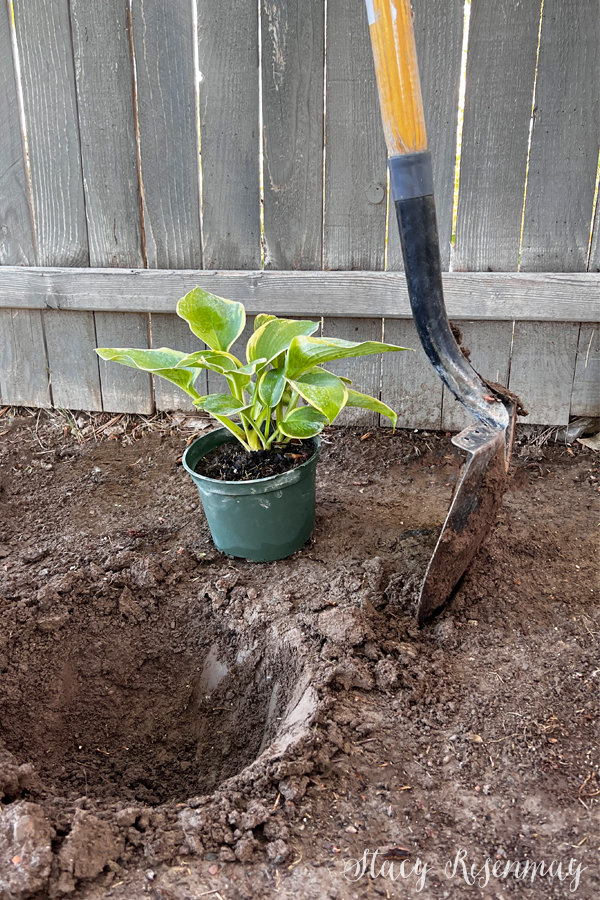
Did you know that fall is the perfect time to plant new perennials, bushes, and trees? I wrote a whole post about it! But basically it boils down to these reasons. There are less pests during that time of year to bug your new plant. Fall is when plants take up a lot of nutrients and devote energy to growing strong root systems so it gives them a head start over plants that go in the ground in the spring. Plus it is cooler so your plant won't have any stress from excess heat. Garden centers tend to have big sales in the fall. As long as the soil is workable, you can plant! So this is your permission to go buy new plants before the ground freezes :) There are a few more reason and more information in the post I wrote all about it HERE.
Protect Young Trees and Bushes
If you have young trees, wrap them in white fabric tree wrap. This will prevent damage from sun scald (also known as southwest winter injury) which is when there is fluctuating temperatures in the winter months. The sun can heat up the cells in the tree bark and then when the temperatures drop again the cold temperatures kill off those cells causing lasting damage to the bark.

If you have upright evergreen bushes, you may want to wrap them in burlap if your area experiences a lot of snow. Otherwise the snow can weigh down the branches causing them to either break or become permanently misshapen.
Water Deeply
If you are experiencing a warm or dry fall, it is important to water your plants deeply, especially if they have been planted in the last few years. This can be a pain if your irrigation water has been shut off. You will have to fill up buckets or watering cans. But it is worth it so you don't lose any plants over the winter. If you find dead perennials, trees, or bushes in the spring, odds are they got too dry over the winter. It is a chore that is worth the extra effort.

Flowerbeds
Like I mentioned up above, I tend to leave my flower beds alone in the fall. I will pull out any diseased plants though. Annuals that have a fungal disease like powdery mildew get pulled out and perennials get trimmed back so it doesn't become worse in following years. Just don't add them to your compost bin.
But I leave my other plants alone in the flower beds since beneficial insects are known for overwintering in the leaf litter, plant debris, and in the stems of plants. I also love that the birds are able to eat the seeds from the perennial flowers and the sunflowers all winter long. Any leaves left in the beds will break down and add nutrients back into the soil so it really is a win win. Plus not cleaning out your flower gardens is one less thing to worry about in the fall.
Test Your Soil
The fall is a good time to have your soil tested so you know which nutrients your soil needs. I have sent soils samples off to our local extension office at the university. You can look up online where your closest soil testing center is located. They will also have instructions on how to gather the soil sample, the type of container to use, and how to get it to them for the best results. A soil test is not expensive to do and is the BEST investment when it comes to your soil health and in turn your plants health. If you want a healthy garden, test your soil. Without knowing any better, you may be adding things to your soil that it doesn't need or too much fertilizer which can harm the overall health.
I hope you enjoy working in the yard this fall season while the temperatures are cooler and the air smells sweet and crisp. Good luck on checking off all your garden tasks!
PIN For Later:




Comment Below!